



This year, all major car parks in the country will offer access to electric car charging stations. This is not only a matter of driver comfort, but also a response to the growing interest in electric cars and the growing awareness of climate change.
According to the amendment to the Act on Electromobility and Alternative Fuels, January this year will bring dramatic changes to the country's EV infrastructure.
The government has issued an act ordering large and medium-sized enterprises with car parks with more than 20 parking spaces to install electric vehicle charging stations.
This challenge requires companies to respond quickly, as the waiting time for an electrical connection is 18 months.
Although electric car owners are looking forward to changes that will enable them to charge their cars, e.g. while shopping, many entrepreneurs have still not modernized parking zones. The reason may be the lack of sanctions for failure to comply with the rules of the amendment, although these will certainly appear in the statutory provisions. Then, each owner of a parking lot belonging to a shopping center or amusement park will be obliged not only to take quick actions on their premises, but may also take into account financial consequences. In the case of planned properties, those that do not take into account the new regulations in their design do not receive a building permit.
Soon, regulations on electromobility will also cover residential properties. In accordance with EU law, new and renovated residential buildings with parking lots with more than ten parking spaces will have to provide appropriate cabling for the installation of charging stations. Currently, it is required that in a parking lot with more than 10 spaces there should be at least one charging point, and each parking space is to be equipped with cables enabling the installation of the device. These regulations are not yet in force in Poland.
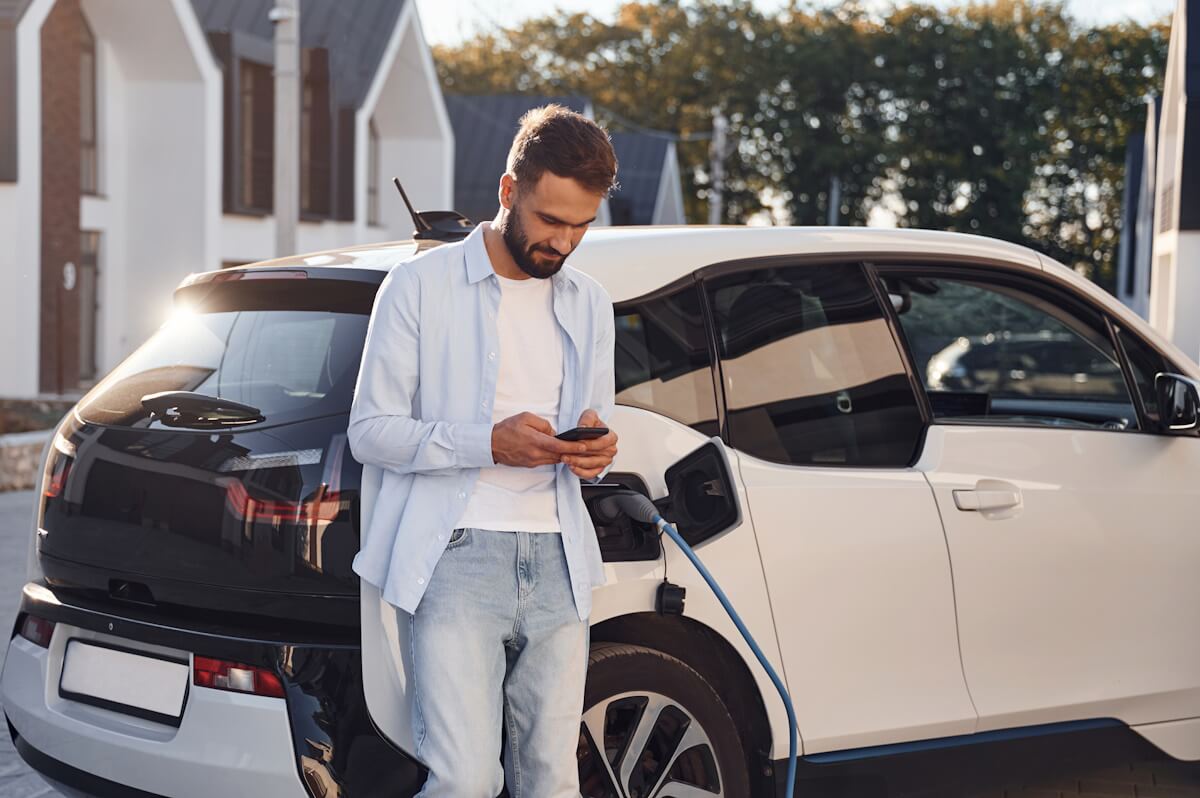
We are still lagging behind in the area of EV infrastructure. Only over 3,000 vehicle charging stations compared to 90,000 in Germany clearly shows that many changes await us. Our western neighbors are already taking steps to facilitate the use of electric vehicles, changing the attitude of current and potential customers of the industry. Outside the country, we can already find stations offering contactless payments, which increase the comfort of drivers.
The Electromobility Counter data shows that in 2022, over 600 new publicly available charging stations will be installed in Poland. At the end of December 2022, there were 2,565 of them (5,016 points), an increase of 40% compared to the previous year. Despite this, we are still struggling with the problem of disproportion between the number of charging stations and the number of registered electric vehicles. In 2022, there were already 12.8 vehicles per one publicly accessible station, which is one of the highest indicators in the entire European Union.
To meet the requirements of the EU Alternative Fuels Infrastructure Regulation (AFIR), Poland must significantly increase the number of charging stations in the coming years. The challenges related to the electrification of transport are enormous, but the changes introduced in the law on electromobility may contribute to a rapid improvement of the situation in the country. This is a chance to create a more sustainable and friendly future.
FAQ:
What are the main changes in the regulations regarding electric car charging stations?
From January this year, large and medium-sized enterprises with parking lots with more than 20 parking spaces will have to install electric vehicle charging stations. By 2025, all large parking lots in Poland will offer access to such stations.
Why are these changes being made?
The changes are being introduced in response to the growing interest in electric cars and increased awareness of climate change. They aim to make it easier to charge electric vehicles and support the transition to more sustainable transport.
Who does the new regulations apply to?
The new regulations apply to large and medium-sized enterprises that have parking lots with more than 20 parking spaces. In the future, the regulations will also cover new and renovated residential buildings with parking lots for more than 10 spaces.
What happens if the company does not adapt to the new regulations?
Although there are currently no sanctions for failure to comply with the rules of the amendment, provisions introducing financial penalties are planned. In the future, companies that do not take into account the new requirements may not receive a building permit.
What are the requirements for charging stations in new and renovated residential buildings?
New and renovated residential buildings with parking lots for more than 10 spaces will have to provide cabling for the installation of charging stations. Currently, it is required that such parking lots have at least one charging point, and each parking space has appropriate wiring.
What challenges does Poland face in terms of EV infrastructure?
Poland must significantly increase the number of charging stations to meet the requirements of the EU Alternative Fuels Infrastructure Regulation (AFIR). Currently, there are only over 3,000 charging stations in the country, which is insufficient compared to other EU countries.
What are the benefits for electric drivers from introducing new regulations?
New rules will enable drivers to more easily charge electric vehicles during everyday activities such as shopping. Increasing the number of charging stations will improve the comfort of using electric cars and may contribute to greater interest in these vehicles.
What are the data on the development of charging stations in Poland?
In 2022, over 600 new public charging stations were installed in Poland. At the end of December 2022, there were 2,565 of them (5,016 points), which was an increase of 40% compared to the previous year.
Is Poland keeping up with other EU countries in terms of EV infrastructure?
Poland lags behind in EV infrastructure, with just over 3,000 charging stations compared to 90,000 in Germany. However, new regulations may contribute to the rapid development of charging infrastructure in the country.


