


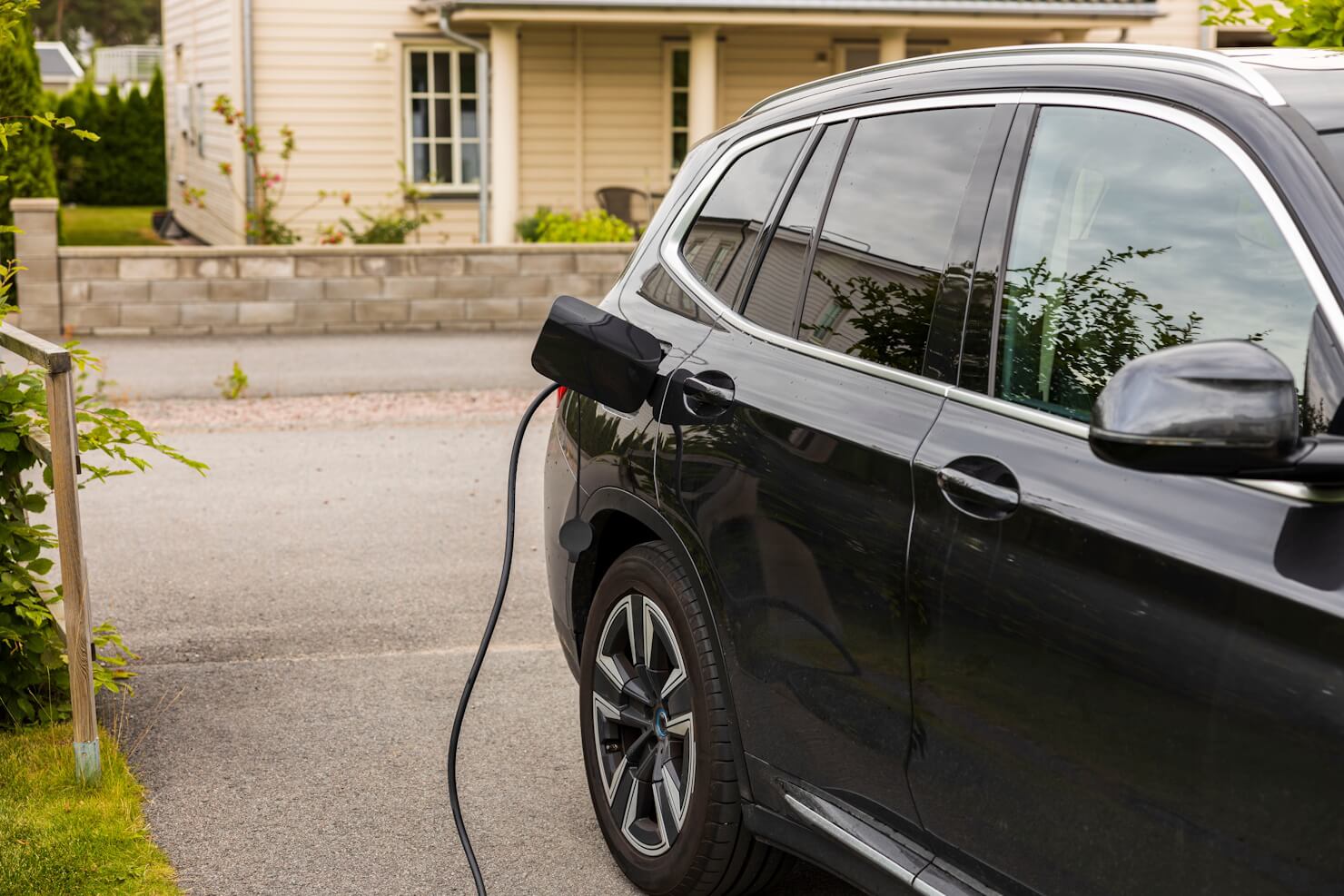
Polish electromobility is still developing dynamically, as evidenced by data from the end of March 2024.
According to the "Electromobility Counter", launched by PZPM and PSNM, 62,629 passenger and commercial fully electric cars (BEV) have already been registered in Poland.
This is an increase of 5,916 units in one month, which is 8% more than in the same period of 2023.
Electric cars on Polish roads
At the end of March 2024, a total of 108,331 passenger cars with electric drive were recorded in Poland. Of these, 56,270 were fully electric passenger cars (BEV) and 52,061 were plug-in hybrids (PHEV). The number of electric delivery vans and trucks has also increased - at the end of Q1 there were 6,387 of them, and the number of hybrids increased to 747,932. It is also worth mentioning electric two-wheelers - the number of electric mopeds and motorcycles at the end of March was 19,953.
Charging infrastructure
Along with the increase in the number of electric vehicles, the charging infrastructure is developing rapidly. However, the number of publicly available points still does not meet the requirements of the AFIR regulation. At the end of March 2024, there were 6,490 publicly available charging points in Poland, covering 3,583 stations. 28% of these points were fast DC chargers, and 62% were slow AC chargers with a power of less than or equal to 22 kW. In the first quarter of 2024, almost 560 new charging points were launched, of which more than half were fast DC charging points.
Industry trends and challenges
Despite the positive trends, the electromobility market could develop much faster. It is worth noting that the number of registered passenger cars and buses increased by only a few percent, while the number of electric delivery vehicles decreased. On the other hand, zero-emission buses, motorcycles and micro-vehicles recorded a significant increase. The largest, almost 50% increase in registrations was recorded by classic hybrids.
To continue the development of the e-mobility market, subsidies are necessary under the "Mój Elektryk" program, both for passenger cars, delivery vehicles and charging infrastructure. The rapid introduction of the announced subsidy program for heavy goods vehicles and dedicated infrastructure is also crucial.
Summary
The Polish electromobility market is developing dynamically, but support is needed to meet European requirements and accelerate the energy transformation. Increasing the number of electric vehicles, developing charging infrastructure and financial programs will be key to the further development of this sector.
More detailed information can be found in the full "Polish EV Outlook" report and in the periodically updated "PEVO Index", which presents the latest data and statistics on the e-mobility market in Poland.
FAQ:
How big is the electromobility market in Poland growing in 2024?
As of the end of March 2024, 62,629 fully electric passenger and commercial vehicles (BEV) were registered in Poland, which is an increase of 5,916 units in a month and 8% more than in the same period of 2023.
What is the total number of electric cars in Poland?
At the end of March 2024, a total of 108,331 electric passenger cars were registered in Poland, including 56,270 BEVs and 52,061 PHEVs. In addition, the number of electric delivery vans and trucks was 6,387, and hybrids 747,932.
How is the charging infrastructure developing in Poland?
By the end of March 2024, 6,490 publicly available charging points were recorded in Poland, covering 3,583 stations. In the first quarter of 2024, almost 560 new charging points were launched, of which more than half were fast DC charging points.
What is necessary for the further development of the electromobility market in Poland?
To continue the development of the e-mobility market, subsidies under the "Mój Elektryk" program and the rapid introduction of a subsidy program for trucks and dedicated infrastructure are necessary. Increasing the number of electric vehicles and developing the charging infrastructure are also key.
What are the biggest challenges for the development of electromobility in Poland?
Despite positive trends, the electromobility market could develop much faster. Challenges include an insufficient number of publicly available charging points and the need for further investment in infrastructure and financial programs. Additionally, the number of registered delivery vehicles has fallen, which requires special support.


