


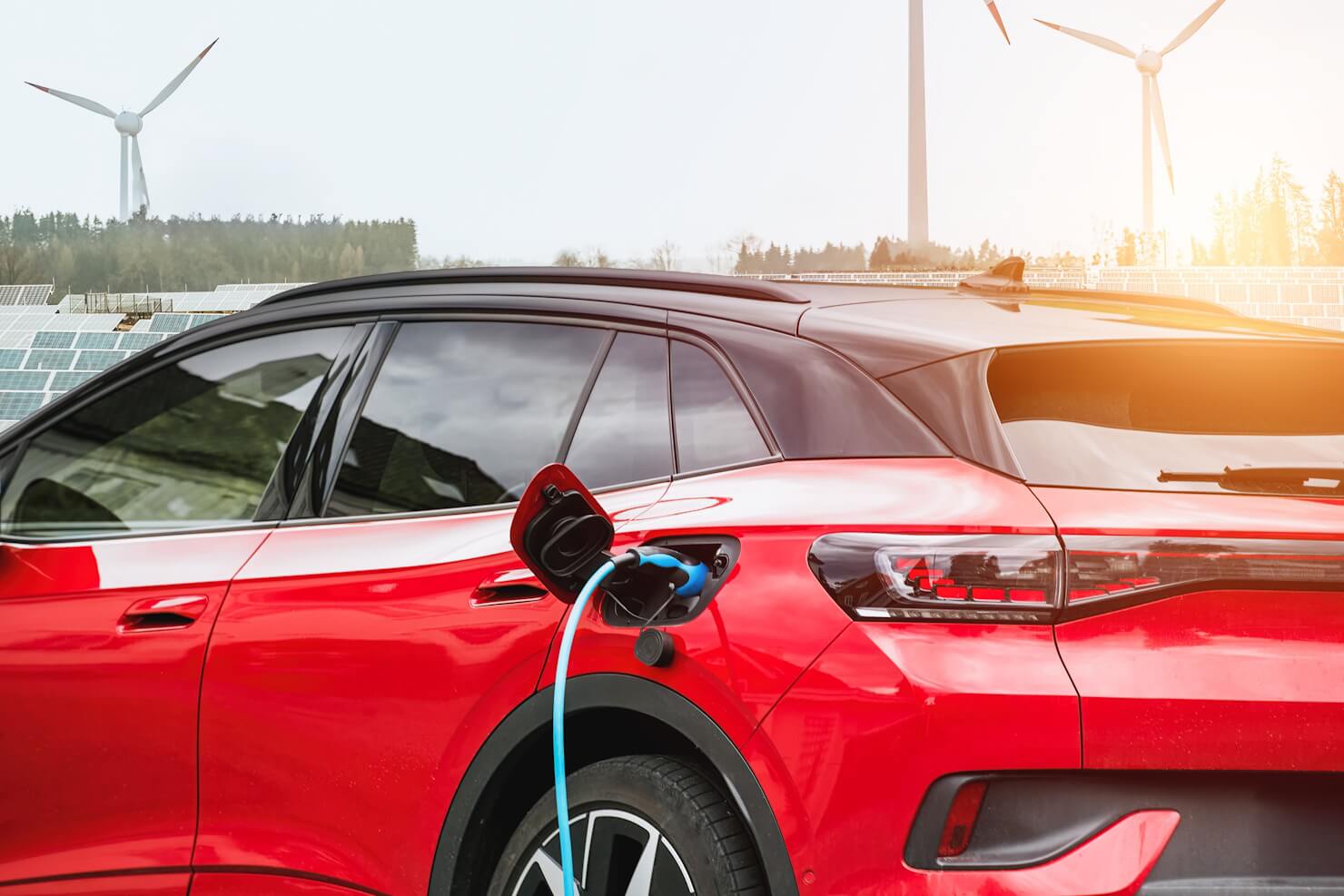
Implementing electromobility in businesses is no longer simply a matter of purchasing electric vehicles and installing a few charging points in the parking area. More and more companies are discovering that the real challenge is not the charger itself, but the energy required to power it.
As the number of electric vehicles used by corporate fleets, employees and customers continues to grow, so does the demand for electrical capacity and the need for effective energy management. This is why energy storage systems and EV charging stations are increasingly being designed as a single integrated system.
For modern businesses, this is no longer just an investment in electromobility. It is part of a broader energy transition strategy that includes renewable energy sources, energy efficiency, protection against energy price volatility and the achievement of ESG objectives.
Why is the growth of electromobility becoming an energy challenge?
Many business owners assume that installing a few charging stations will have little impact on a building's electrical infrastructure. In practice, the situation is very different.
With only a few electric vehicles, the issue may be hardly noticeable. However, as fleets expand and the number of users increases, limitations begin to emerge.
For example:
- an 11 kW AC charger may operate for many hours each day,
- a 22 kW AC charger doubles the power demand,
- fast DC charging stations require significantly higher energy capacity,
- simultaneously charging several or even dozens of vehicles can substantially increase the load on the building's internal electrical network.
For office buildings, logistics parks, manufacturing facilities and data centres, the biggest challenge often turns out not to be purchasing the charging stations themselves, but ensuring sufficient available grid connection capacity.
Limited grid connection capacity – a challenge for many businesses
Most commercial facilities operate within a predefined connection capacity agreed with the local energy network operator.
When a company plans to deploy a larger number of charging points, a crucial question arises: is the existing electrical infrastructure capable of handling the additional load?
In many cases, increasing grid connection capacity may require:
- costly electrical upgrades,
- expansion of power infrastructure,
- lengthy administrative procedures,
- waiting for new grid connection approvals.
This is precisely where an energy storage system can become one of the most valuable components of the entire solution.
What is an energy storage system and why is its role growing?
An energy storage system stores electricity and makes it available for later use.
The stored energy may come from:
- photovoltaic installations,
- local renewable energy sources,
- the electricity grid,
- hybrid energy systems.
Only a few years ago, battery storage systems were primarily associated with solar PV installations. Today, they are becoming an important pillar of corporate energy strategies.
Businesses increasingly use energy storage systems to:
- optimise energy consumption,
- increase self-consumption of renewable energy,
- improve energy security,
- support EV charging infrastructure,
- make better use of available connection capacity.
How does an energy storage system support EV charging stations?
Reducing connection capacity constraints
One of the key advantages of battery storage is its ability to act as an energy buffer.
Stored energy can be used when vehicles are charging, helping to avoid sudden spikes in electricity drawn from the grid.
This allows businesses to expand their charging infrastructure without immediately upgrading the entire power installation.
Peak load reduction
Energy consumption in commercial facilities is rarely constant.
The highest loads typically occur during specific operating hours.
If several electric vehicles begin charging at the same time, overall demand can increase significantly.
An energy storage system can cover part of this demand with previously stored electricity, reducing sudden load spikes.
This approach is commonly known as peak shaving.
Maximising solar self-consumption
More and more businesses are investing in photovoltaic systems.
The challenge is that peak solar production does not always coincide with vehicle charging times.
Energy storage systems allow companies to:
- store excess photovoltaic energy,
- use it later to charge electric vehicles,
- increase self-consumption rates,
- reduce reliance on electricity purchased from the grid.
This is one of the main reasons why battery storage is increasingly viewed as a natural complement to EV charging infrastructure.
Which businesses benefit the most?
Logistics centres
The electrification of delivery transport requires an increasing number of charging points. Energy storage systems help maintain operational stability and support the charging needs of fleet vehicles.
Industrial facilities
Manufacturing operations already consume significant amounts of electricity. Adding EV charging infrastructure without proper planning can further increase the load on existing systems. Battery storage enables more efficient energy management.
Office buildings and technology parks
More employees are switching to electric vehicles. Charging facilities are becoming a valuable amenity, while the integration of energy storage helps minimise the impact of charging on building operating costs.
Data centres
Data centres are among the most energy-intensive facilities. Operators increasingly evaluate energy infrastructure in the context of ESG goals, energy efficiency and power resilience.
Energy storage, ESG and climate objectives
The growing interest in energy storage is not driven solely by technical considerations.
More companies are implementing ESG strategies and seeking ways to:
- increase renewable energy utilisation,
- improve energy efficiency,
- advance electromobility,
- reduce environmental impact.
The combination of energy storage, photovoltaics and EV charging infrastructure helps create a more sustainable operating model.
Green Transition and new investment opportunities
The growing importance of battery storage is also reflected in current energy-transition funding programmes.
A good example is the Green Transition programme, which supports the development of modern energy systems, energy storage projects, renewable energy installations and local energy solutions.
This demonstrates that both in Poland and across Europe, energy storage and the integration of multiple energy technologies are considered key pillars of economic transformation.
From charging stations to integrated energy systems
Just a few years ago, companies tended to evaluate the following technologies separately:
- photovoltaics,
- energy storage systems,
- EV charging stations,
- energy management platforms.
Today, they are increasingly being combined into a single ecosystem.
Modern businesses no longer need just a charging station. They need a system that enables them to:
- generate electricity,
- store energy,
- manage energy flows,
- support electromobility efficiently.
This is why energy storage systems and EV charging stations are becoming natural partners in corporate energy transformation strategies.
Summary
Energy storage systems and EV charging stations are becoming essential components of modern business infrastructure. Their integration enables better utilisation of renewable energy, improves energy efficiency, reduces grid stress and supports the continued growth of electromobility.
As the number of electric vehicles continues to grow and the energy transition accelerates, the importance of these solutions will increase significantly. For many organisations, combining battery storage with EV charging infrastructure is no longer just an option for future development, but a core component of long-term energy and ESG strategies.
FAQ – Frequently Asked Questions
What is an energy storage system?
An energy storage system is a solution that stores electricity and makes it available whenever it is needed.
Why are businesses combining energy storage systems with EV charging stations?
This combination enables more efficient energy management, increased use of renewable energy and easier expansion of EV charging infrastructure without costly upgrades to electrical systems.
Can energy storage systems work with photovoltaic installations?
Yes. Battery storage systems can store excess PV energy and use it later to charge electric vehicles or power commercial buildings.
How does an energy storage system help when connection capacity is limited?
It acts as an energy buffer, supplying electricity during peak demand periods and reducing pressure on the grid connection.
What is peak shaving?
Peak shaving is the reduction of short-term spikes in electricity demand by using energy stored in battery systems.
Which industries most commonly invest in energy storage and EV charging infrastructure?
Typical adopters include logistics centres, industrial facilities, office buildings, technology parks, data centres and companies operating electric vehicle fleets.
Does energy storage increase solar self-consumption?
Yes. By storing excess solar generation, businesses can consume a larger share of the electricity produced by their own PV systems.
What business benefits come from integrating energy storage and charging infrastructure?
Key benefits include improved energy management, greater use of renewable energy, support for electromobility, reduced strain on the power network and improved resilience to energy-market fluctuations.
Do energy storage systems support ESG strategies?
Yes. They facilitate the use of renewable energy, improve energy efficiency and support broader sustainability initiatives.
Why will energy storage and EV charging become even more important in the future?
Because the number of electric vehicles continues to rise, and businesses are increasingly developing integrated energy ecosystems combining renewable energy, battery storage, energy management and electromobility.


