


Nearly PLN 800 million has been allocated to support the green transition, local energy development, energy storage systems and modern energy technologies. Can organisations planning to expand electric vehicle charging infrastructure benefit from the Green Transition programme? All indications suggest that they can. For businesses, municipalities and property managers, this may become one of the most attractive funding programmes supporting electromobility-related investments in the coming years.
What is the Green Transition programme?
Green Transition is a programme launched by the Ministry of Climate and Environment under the EEA and Norway Grants 2021-2028. Its objective is to accelerate Poland's energy, climate and environmental transition by financing projects related to energy, climate protection, biodiversity conservation and the circular economy.
Approximately EUR 188 million, equivalent to nearly PLN 800 million, has been allocated to the programme, including more than EUR 160 million from the EEA Grants.
For the electromobility sector, this creates new investment opportunities related to modern energy infrastructure, renewable energy sources, energy storage systems and technologies supporting electric vehicle charging.
Who can apply for funding?
The programme is aimed at a broad range of beneficiaries, including:
- businesses,
- local government authorities,
- public institutions,
- non-governmental organisations,
- research and scientific institutions,
- energy communities,
- entities implementing projects with partners from Norway, Iceland and Liechtenstein.
This means the programme may be attractive both to companies expanding their electric vehicle fleets and to municipalities or residential communities planning to install charging stations for users and residents.
Why is the programme important for electromobility?
Although the programme is not dedicated exclusively to EV charging stations, many of its objectives directly support the development of electromobility.
Funding is expected to support projects related to:
- energy storage,
- renewable energy development,
- local energy systems,
- energy communities,
- modernisation of energy infrastructure.
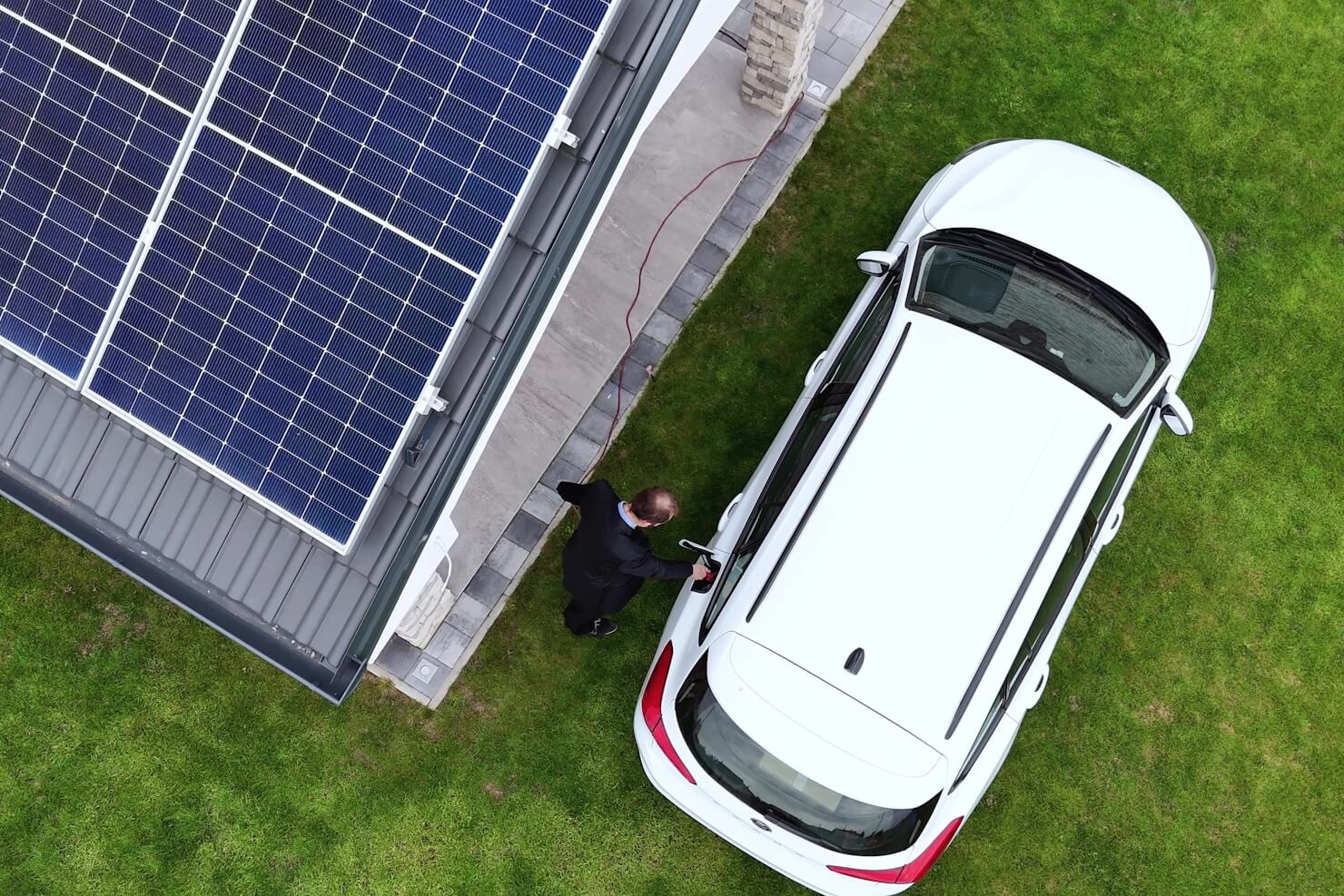
In practice, charging infrastructure is increasingly becoming an integral part of such investments. EV chargers integrated with photovoltaic installations and energy storage systems can increase energy self-consumption and reduce operating costs.
Which projects could benefit the most?
Businesses and manufacturing facilities
Companies can develop:
- charging infrastructure for vehicle fleets,
- charging points for employees and customers,
- photovoltaic systems integrated with EV chargers,
- local energy storage installations.
Local governments
Municipal authorities can implement projects involving:
- public charging stations,
- Park & Ride facilities equipped with EV chargers,
- infrastructure for zero-emission buses,
- local energy hubs.
Residential and housing communities
The growing number of electric vehicle users means that more and more residential communities and housing cooperatives are seeking solutions that enable safe vehicle charging in underground and outdoor car parks.
Potential investments may include:
- upgrading a building's electrical infrastructure,
- installation of AC charging stations,
- energy management systems,
- solutions integrated with renewable energy sources.
What areas does the programme cover?
Energy
- energy communities,
- energy storage systems,
- renewable energy development,
- geothermal energy,
- CCUS technologies,
- local energy systems.
Climate
- climate change adaptation,
- rainwater retention,
- green infrastructure,
- educational initiatives,
- air quality improvement.
Nature
- ecosystem protection,
- nature monitoring,
- creation of nature reserves,
- development of environmental information systems.
Circular economy
- closed-loop water management,
- circularity in construction,
- green public procurement.
How many calls for proposals will be available and how long will the programme run?
The programme includes:
- 9 open calls for proposals,
- 11 predefined projects.
The first calls are expected to focus on energy storage supporting renewable energy sources, biodiversity protection and circular economy solutions in the construction sector.
The final eligibility date for project expenditures has been set at 30 April 2031.
Electromobility needs modern infrastructure
The rapid growth of the electric vehicle market in Poland is driving increasing demand for charging infrastructure. More and more businesses, municipalities and property managers are preparing for further growth in the number of electric vehicles.
That is why investments involving photovoltaic systems, energy storage and EV charging stations may become one of the key project categories supported in the coming years.
Which charging stations are best suited for these investments?
For projects implemented by businesses, residential communities and municipalities, 11 kW and 22 kW AC charging stations are among the most popular solutions, offering an optimal balance between investment costs and vehicle charging times.
The Lenergizee portfolio includes:
- 7.4 kW wallboxes,
- 11 kW wallboxes,
- 22 kW wallboxes,
- AC charging stations for public and commercial applications,
- charging accessories and management systems.
Modern charging stations are equipped with intelligent energy management functions, IoT connectivity, RFID authentication and advanced safety features that enhance user and vehicle protection.
Summary
Green Transition is one of the largest environmental and energy funding programmes available in Poland in the coming years. With a budget approaching PLN 800 million, a strong focus on local energy systems and project implementation opportunities extending until 2031, now is the right time to start preparing for future funding calls.
For businesses, municipalities and property managers, this represents an excellent opportunity to combine renewable energy sources, energy storage systems and electric vehicle charging infrastructure into a single modern and efficient energy ecosystem.
FAQ - frequently asked questions about the Green Transition programme
What is the Green Transition programme?
Green Transition is a programme implemented by the Ministry of Climate and Environment under the EEA and Norway Grants 2021-2028. Its objective is to finance projects that support Poland’s energy, climate and environmental transition.
What is the budget of the Green Transition programme?
Approximately EUR 188 million, equivalent to nearly PLN 800 million, has been allocated to the programme. More than EUR 160 million comes from the EEA Grants.
Who can apply for funding?
Funding is available to businesses, local government authorities, public institutions, non-governmental organisations, research and scientific institutions, energy communities and entities implementing projects with partners from Norway, Iceland and Liechtenstein.
Does the Green Transition programme support electromobility?
The programme is not dedicated exclusively to electromobility. However, it supports projects related to energy storage, renewable energy sources, local energy systems and modernisation of energy infrastructure, which may contribute to the development of electric vehicle charging infrastructure.
Can EV charging stations be part of funded projects?
Yes. Charging infrastructure can form part of broader investments involving renewable energy sources, energy storage systems and local energy networks.
What areas does the Green Transition programme cover?
The programme supports activities related to energy, climate, nature conservation and the circular economy. Eligible areas include energy storage, energy communities, renewable energy development, geothermal energy, rainwater retention and circular solutions in construction.
How many calls for proposals are planned under the programme?
The programme includes 9 open calls for proposals and 11 predefined projects.
Until when can projects be implemented?
The final eligibility date for project expenditures is 30 April 2031.
Who can benefit from EV charging infrastructure developed through such projects?
Businesses, municipalities, residential communities, housing cooperatives and electric vehicle users accessing public charging infrastructure can all benefit from these investments.
Which charging stations are best suited for projects implemented by businesses, municipalities and residential communities?
For this type of investment, 11 kW and 22 kW AC charging stations are among the most popular solutions, offering a favourable balance between investment cost and charging performance.


