


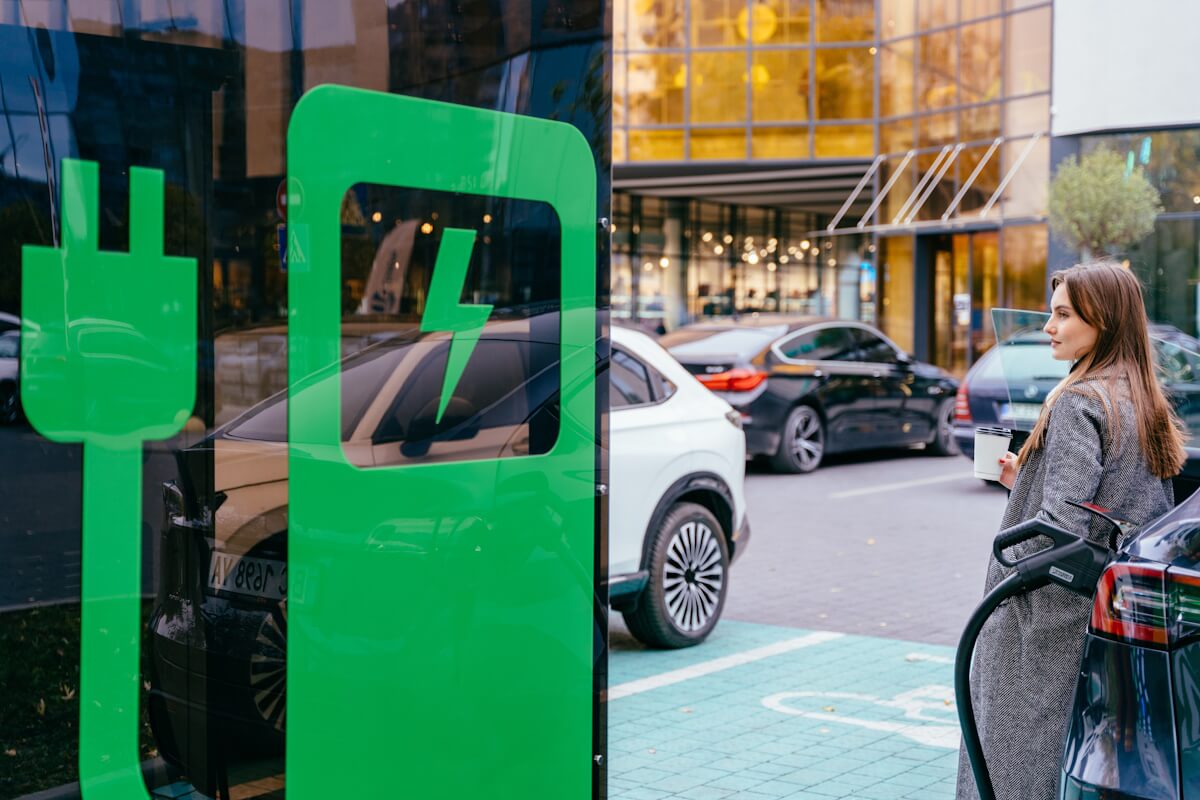
Comparing the expenses related to the purchase and maintenance of traditional combustion cars and modern electric vehicles is a complicated task.
It requires taking into account many factors such as:
* vehicle price,
* current costs of fuel and electricity,
* specific terms of use,
* driver's driving style.
However, it is worth taking a look at the key aspects of this comparison to better understand which solution may be more beneficial.
Purchase price
Electric cars generally have a higher purchase price than their combustion counterparts. However, there are many government programs that offer subsidies and bonuses for purchasing electric vehicles, which can significantly reduce the initial costs. These financial incentives are part of a broader strategy to promote clean modes of transport. For example, in Poland there are programs such as "My Electrician", which offer significant subsidies for individuals and companies deciding to purchase an electric car.
Operating costs
In everyday use, electric cars often turn out to be cheaper than traditional combustion vehicles. Electric motors feature higher efficiency and simpler design, resulting in lower maintenance costs. Users of electric vehicles do not have to worry about regular replacement of oil, filters or exhaust system parts, which significantly reduces maintenance costs. Additionally, repair costs tend to be lower because electric vehicles have fewer moving parts, reducing the risk of mechanical failures.
Charging costs and refueling costs
Charging of electric vehicles depends on electricity prices and the energy consumption of a given vehicle. In turn, the costs of refueling combustion cars depend on fuel prices and fuel consumption. In many regions, especially with favorable energy tariffs, charging costs can be lower than refueling costs. It is also worth paying attention to the availability and development of charging infrastructure, which may affect the convenience of using electric vehicles. For example, a network of charging stations is being developed in Poland, which increases the attractiveness of electric cars.
Battery life and costs
Batteries in electric cars may lose their capacity or wear out over time. The costs of replacing or repairing them may affect your overall operating expenses. However, manufacturers are offering longer and longer battery warranties, which can significantly reduce concerns about these costs. For example, Tesla offers an 8-year warranty on its batteries, which is a great security for owners.
Resale value
The resale value of electric cars is comparable to traditional combustion vehicles, although it may vary depending on the pace of technology development and the availability of new models. As the market and charging infrastructure develop, the resale value of electric vehicles may increase, further increasing their attractiveness as a long-term investment. Market analyzes show that electric cars hold their value better than some combustion models, especially those that lose value quickly.
Environmental and tax benefits
Choosing an electric vehicle brings not only economic but also ecological benefits. Electric cars emit significantly less carbon dioxide, which helps protect the environment. Moreover, in many countries, owners of electric vehicles can benefit from various tax reliefs, road toll exemptions and subsidies for the development of charging infrastructure. In Poland, for example, owners of electric cars are exempt from paying parking fees in paid parking zones.
Summary
The decision to choose between a traditional combustion car and an electric vehicle should take into account a number of economic, ecological and practical factors. Analyzing the costs of purchase, operation, charging and maintenance, it can be concluded that electric vehicles are becoming more and more competitive. As technology advances and charging infrastructure develops, the cost differences between the two types of vehicles may shrink even further, making electric vehicles an attractive option for an increasing number of consumers.
FAQ:
Is the cost of purchasing an electric car higher than a traditional one?
Yes, electric cars usually have a higher purchase price compared to traditional combustion cars. However, there are various subsidy programs that can reduce your initial expenses.
What are the costs of charging an electric car compared to refueling a combustion vehicle?
The costs of charging an electric car are usually lower than the costs of refueling a combustion vehicle, especially when using appropriate energy tariffs.
Is electric car maintenance cheaper?
Yes, electric cars are usually cheaper to maintain. They have fewer moving parts and do not require changing oil, filters or exhaust system parts.
How long do electric car batteries last?
Batteries in electric cars can last from 8 to 15 years depending on use and operating conditions. Manufacturers also offer long-term warranties for batteries.
Is the resale value of electric cars high?
The resale value of electric cars may vary and depends on the pace of technology development and the availability of new models. However, it may increase over time as charging infrastructure develops and environmental awareness grows.
What are the tax benefits of owning an electric car?
Owning an electric car may have different tax benefits depending on the region. These may include road tax exemptions, purchase tax relief and subsidies for charging infrastructure.


