


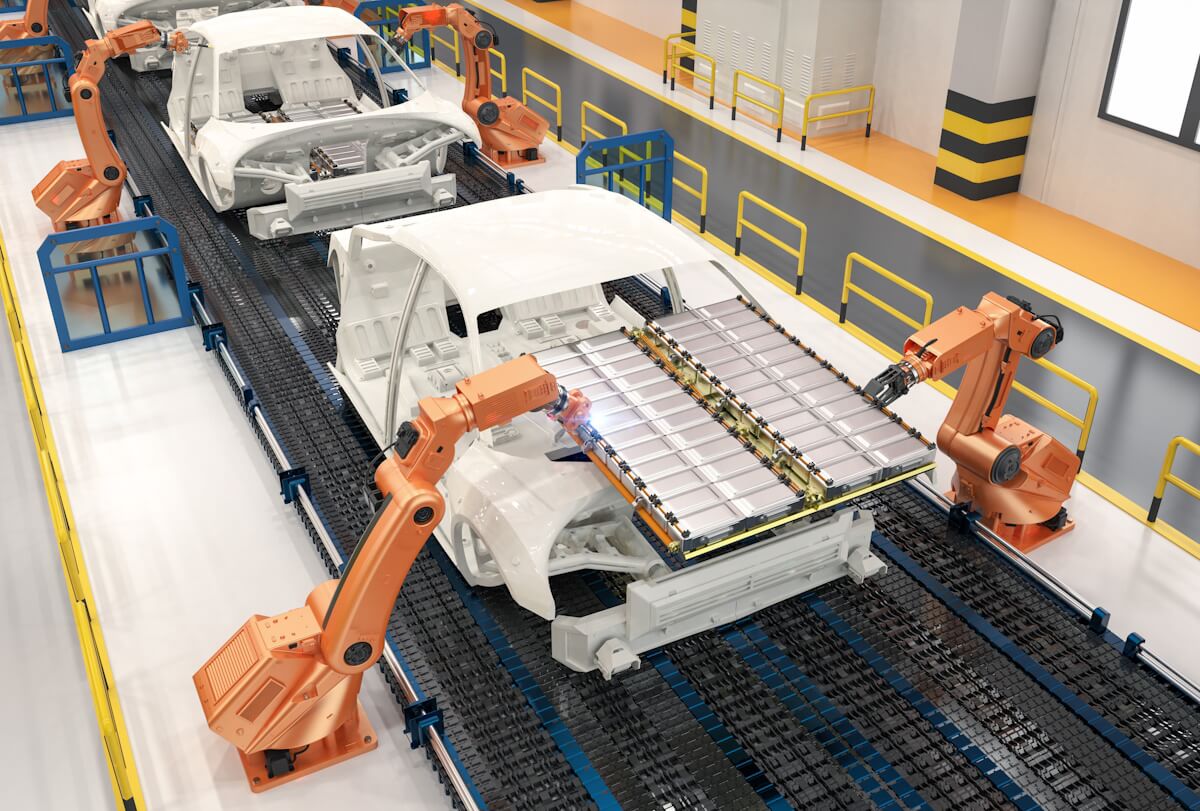
With the development of the market for electric cars, which are supposed to be more ecological than traditional ones, questions are increasingly being asked about the treatment of used batteries. Since the number of EVs is systematically growing, this topic is attracting a lot of interest.
What does the recycling process of batteries for electric cars look like - here are some important aspects:
Collection and transport
Recycling of used batteries from EV vehicles is subject to special procedures. In the field of collection and transport of batteries, both manufacturers and dealers or specialized recycling companies may be responsible for the proper conduct of processes.
Disassembly and appropriate segregation
After reaching a company specializing in recycling, batteries are appropriately separated into fractions and sorted. The various raw materials that make up the batteries are then separated. These include: metals such as lithium, cobalt, nickel, copper and aluminum.
Chemical recycling
To recover raw materials or substances from lithium-ion batteries, they are often chemically recycled. Two methods are usually used for this purpose: hydrometallurgical and pyrometallurgical. In the first case, batteries are subjected to chemical processes that allow the separation of individual metals. In the second one, metal alloys are recovered using high temperatures.
Material recycling
It is also possible to recycle materials, which allows the recovery of materials such as copper or aluminum.
Purpose of recovered materials
By recovering raw materials from lithium-ion batteries, such as lithium, cobalt, nickel or copper, they can be used both for the re-production of batteries and for completely different products. This allows limiting the extraction of natural resources.
Prospects for recycling
With the sustainable development of the electric vehicle sector in mind, the approach to recycling EV batteries should be an extremely important issue. Improving the efficiency of raw material recovery processes, appropriate process management and materials management may contribute to a significant reduction in the extraction of natural raw materials and a reduction in the amount of electrical waste.
With the growing number of electric vehicles, there is also a growing demand for new technologies both in terms of recycling itself, as well as environmental protection when processing used products and raw materials and dealing with toxic waste. This is also one of the most important prospects and challenges for the development of the entire automotive sector.
FAQ:
How are used electric vehicle batteries collected and transported?
The collection and transport of used batteries for electric vehicles is subject to special procedures, which may be implemented by manufacturers, dealers or specialized recycling companies.
How are batteries disassembled and segregated?
After reaching the recycling company, the batteries are dismantled and properly segregated. Various raw materials are separated, such as lithium, cobalt, nickel, copper and aluminum.
What is chemical recycling of lithium-ion batteries?
Chemical recycling of lithium-ion batteries is carried out using hydrometallurgical or pyrometallurgical methods. Hydrometallurgy uses chemical processes to separate metals, while pyrometallurgy uses high temperatures to recover metal alloys.
What is material recycling?
Material recycling is a process that allows the recovery of raw materials such as copper or aluminum from batteries, allowing them to be reused.
What is the purpose of the recovered materials?
Recovered raw materials such as lithium, cobalt, nickel and copper can be used to re-produce batteries or to produce other products, reducing the need to extract natural raw materials.
What are the prospects for recycling electric vehicle batteries?
Sustainable development of the electric vehicle sector requires effective recycling processes, appropriate material management and reduction of electrical waste. The development of new recycling technologies is a key challenge and perspective for the future of the automotive industry.


