


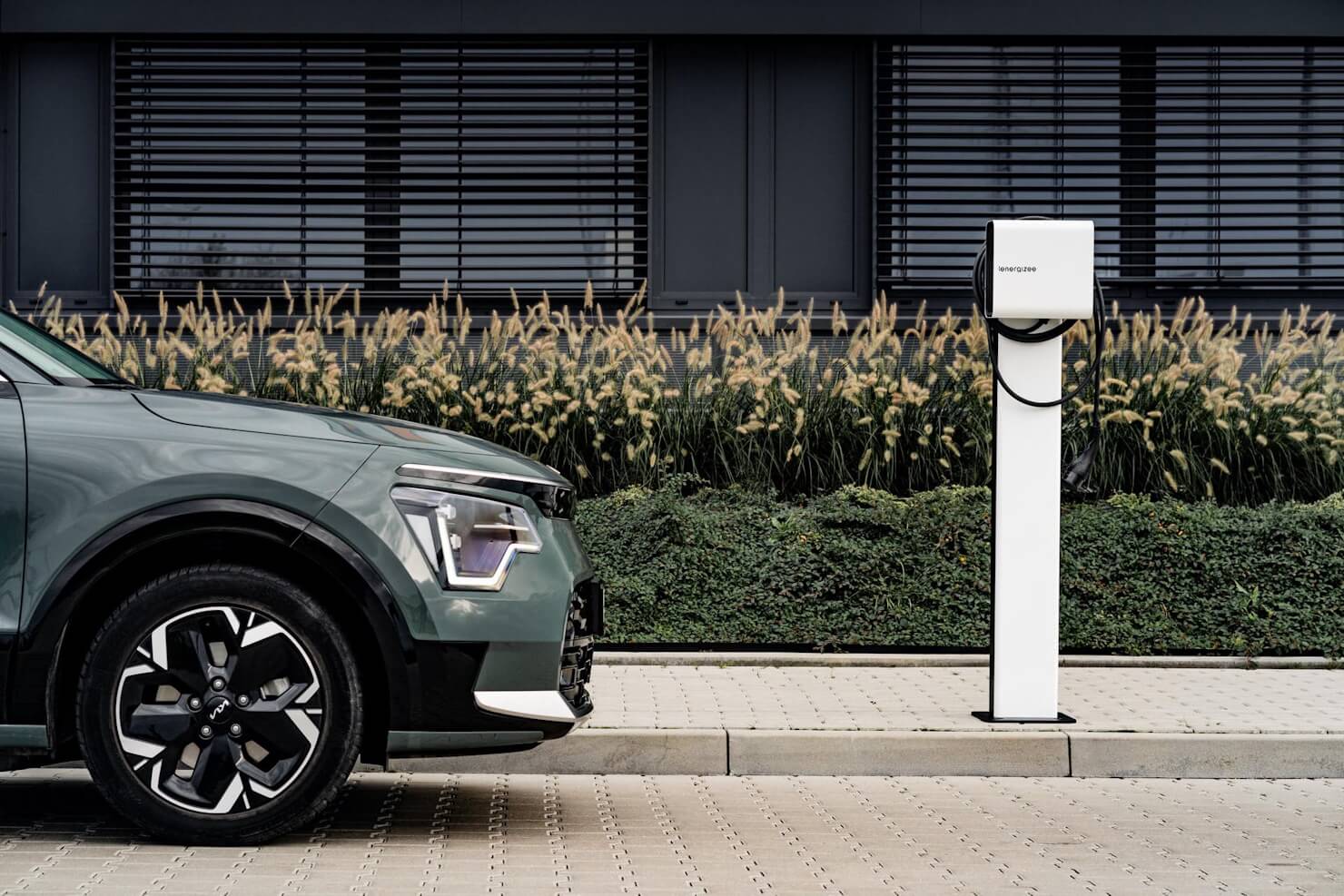
Euro 7 Standard from 2026. Key Dates and Changes
On 29 November 2026, another important stage of changes in the European automotive market will begin. From this date, the requirements of the Euro 7 standard will apply to new types of passenger cars and light commercial vehicles.
However, Euro 7 is more than just another emissions regulation. The new rules also cover brake particle emissions and, in the case of electric and hybrid vehicles, battery durability requirements.
When does Euro 7 come into force?
Euro 7 is based on Regulation (EU) 2024/1257 of the European Parliament and of the Council. The changes will be introduced in stages.
Key implementation dates for Euro 7:
- 29 November 2026 – Euro 7 applies to new types of passenger cars and light commercial vehicles (M1 and N1).
- 29 November 2027 – requirements apply to all newly registered M1 and N1 vehicles entering the market.
- 29 May 2028 – Euro 7 applies to new types of heavier vehicle categories, including M2, M3, N2 and N3.
- 29 May 2029 – requirements apply to all newly registered vehicles in these categories.
Euro 7 is therefore a multi-year implementation process rather than a one-time regulatory change.
Euro 7 also applies to electric vehicles
One of the most significant changes is the expansion of regulations beyond tailpipe emissions.
Euro 7 also addresses brake particle emissions. This is relevant to electric vehicles as well. EVs use regenerative braking systems, where part of the vehicle's kinetic energy is recovered and returned to the battery.
The new regulations also introduce durability requirements for traction batteries used in electric and hybrid vehicles.
This is a major change for the automotive industry. Battery health directly affects vehicle range, everyday usability and the resale value of electric vehicles.
What does Euro 7 mean for e-mobility?
The new regulations are another step in the transformation of the European automotive sector. Manufacturers continue to develop electric drivetrains, more EVs are appearing on the roads, and the demand for charging infrastructure is growing alongside them.
For businesses, this means considering not only the purchase of electric vehicles but also the proper preparation of their energy infrastructure.
If a company fleet includes several or even dozens of electric vehicles, businesses must answer key questions:
- Where will the vehicles be charged?
- How much charging capacity will be required?
- How can energy be managed efficiently?
- How should the infrastructure be expanded as the fleet grows?
Prepare your business for EV growth
Charging infrastructure should be planned well in advance. The highest possible charging power is not always necessary. In many cases, intelligent energy management systems and the ability to scale the installation as the fleet grows are far more important.
Lenergizee develops electric vehicle charging solutions designed to meet the needs of a rapidly changing automotive market and modern businesses.
If your company is preparing to electrify its fleet, it is worth starting with a properly designed charging infrastructure.
FAQ – Euro 7 and e-mobility
What is the Euro 7 standard?
Euro 7 is a new European regulation governing the environmental impact of vehicles. It covers not only exhaust emissions but also brake particle emissions and battery durability requirements for electric and hybrid vehicles.
When does Euro 7 become mandatory?
The first phase begins on 29 November 2026 for new types of passenger cars and light commercial vehicles. Additional vehicle categories will be covered between 2027 and 2029.
Does Euro 7 apply to electric vehicles?
Yes. Although electric vehicles do not produce exhaust emissions while driving, Euro 7 includes requirements related to brake particle emissions and the durability of traction batteries.
What does Euro 7 mean for businesses?
The new regulations will accelerate the growth of e-mobility and increase interest in electric vehicles. Businesses should take charging infrastructure development and energy management into account when planning fleet investments.
Will Euro 7 affect the development of charging infrastructure?
Yes. As the number of electric vehicles increases, demand for charging stations will continue to grow in both corporate and public environments.
How can a company prepare for fleet electrification?
Companies should begin by analysing the number of vehicles, available grid capacity and expected usage patterns. Choosing a scalable charging infrastructure that can grow with the fleet is essential.
Do fleet operators need the highest-power chargers available?
Not necessarily. In many situations, intelligent energy management and optimised charging schedules deliver greater benefits than installing the highest-power charging stations.
What are the benefits of a properly designed charging infrastructure?
It helps reduce energy costs, improves the efficient use of available power and supports future expansion as the EV fleet grows.
Prepare your business for the future of e-mobility
Contact Lenergizee experts and choose a scalable charging solution for your EV fleet. A well-designed charging infrastructure helps manage energy efficiently, reduce operating costs and support fleet growth without requiring costly upgrades in the future.


