


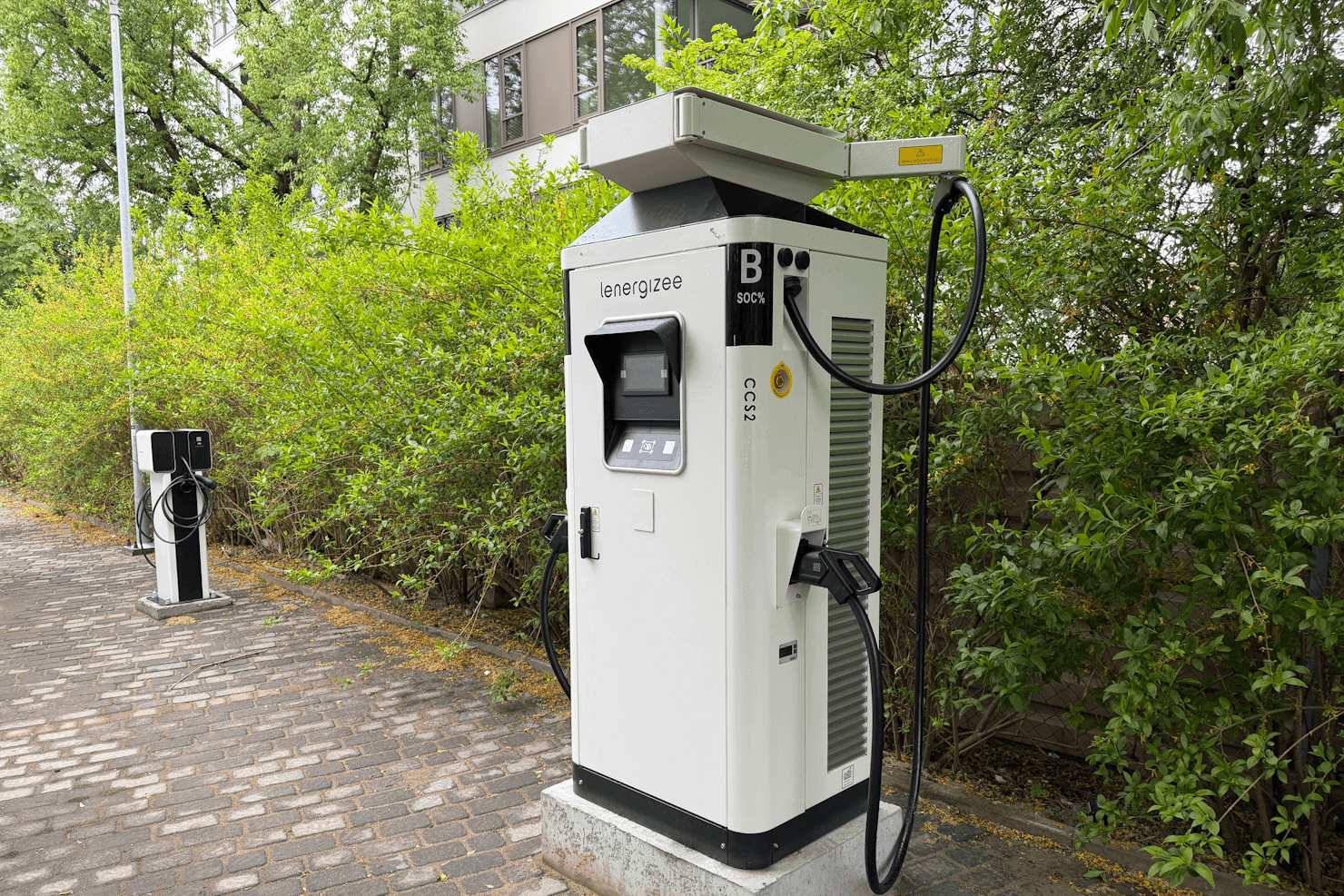
Electromobility in Poland is developing at an increasingly rapid pace. The number of electric vehicles, public charging points, and, most notably, developments in public transport continue to grow.
According to the Electromobility Counter maintained by the Polish Automotive Industry Association (PZPM) and the Polish New Mobility Association (PSNM), there were 154,947 fully electric passenger and commercial vehicles (BEVs) registered in Poland at the end of June 2026.
The growing number of vehicles also means increasing demand for modern charging infrastructure, both in public spaces and at commercial facilities and businesses.
However, the figures for electric buses are even more impressive.
More than 600% growth in electric bus registrations
At the end of June 2026, Poland's zero-emission bus fleet consisted of 2,647 vehicles. Of these, 2,444 were fully electric buses and 203 were hydrogen-powered vehicles.
In the first half of 2026, the number of electric buses increased by as many as 715 units. This represents registration growth exceeding 600% compared to the same period of the previous year.
What's more, during the first six months of 2026, more than twice as many electric buses were added than during the entire year of 2025.
This is a clear sign that public transport electrification is no longer limited to a few cities and is becoming one of the key directions in the modernization of public transport systems.
More electric vehicles mean greater infrastructure needs
The growing number of electric vehicles also translates into higher demand for charging infrastructure.
At the end of June 2026, there were 13,201 publicly accessible charging points operating in Poland. Of these, 6,668 were fast DC charging points. In the first half of the year alone, operators launched more than 1,000 new fast charging points.
Infrastructure development is not limited to the public network. Charging stations are increasingly being installed in company parking lots, residential communities, hotels, shopping centers, manufacturing facilities, and fleet depots.
EV chargers as part of modern infrastructure
For businesses, private charging points can be a way to prepare for fleet electrification while also providing an additional convenience for employees and customers.
When choosing charging infrastructure, it is important to look beyond the maximum charging power. Reliability, safety, access management capabilities, and efficient use of available grid capacity are equally important considerations.
A well-designed system should also allow for future expansion. A company that owns a few electric vehicles today may require a dozen or even several dozen charging points within a few years.
Lenergizee – infrastructure ready for the growth of electromobility
The more than 600% increase in electric bus registrations is one of the most spectacular examples of the changes taking place in Polish transport. At the same time, the number of BEVs, plug-in hybrids, and electric commercial vehicles continues to rise.
At Lenergizee, we develop electric vehicle charging solutions designed to meet the needs of a rapidly growing market.
If you are planning fleet electrification or the installation of charging points for employees, customers, or residents, it is worth considering today an infrastructure solution that can grow along with your future needs.
Lenergizee – energy for electromobility.
Frequently asked questions (FAQ)
Is the number of electric buses in Poland really growing that fast?
Yes. In the first half of 2026, the number of electric buses increased by 715 units, representing registration growth of more than 600% compared to the same period of the previous year.
Why are cities investing in electric buses?
Electric buses help reduce exhaust emissions, lower noise levels, and support the development of sustainable public transportation systems.
How does the growth of electromobility affect charging infrastructure?
The increasing number of electric vehicles drives demand for both public and private charging points located at businesses, residential developments, hotels, and commercial facilities.
What features should a modern EV charger offer?
A modern EV charger should provide safety, reliability, intelligent energy management, access control functionality, and the ability to expand the infrastructure in the future.
Why should companies invest in their own charging stations?
Private charging infrastructure supports fleet electrification, improves user convenience, and helps organizations prepare for ongoing changes in transportation.
What is fleet electrification?
Fleet electrification is the process of gradually replacing internal combustion engine vehicles with electric vehicles and plug-in hybrids.
What are the benefits of scalable charging infrastructure?
Scalable infrastructure allows organizations to increase the number of charging points easily without replacing the entire system as their needs grow.
How does Lenergizee support the growth of electromobility?
Lenergizee provides modern electric vehicle charging solutions for businesses, fleet operators, property developers, and facility managers.


