


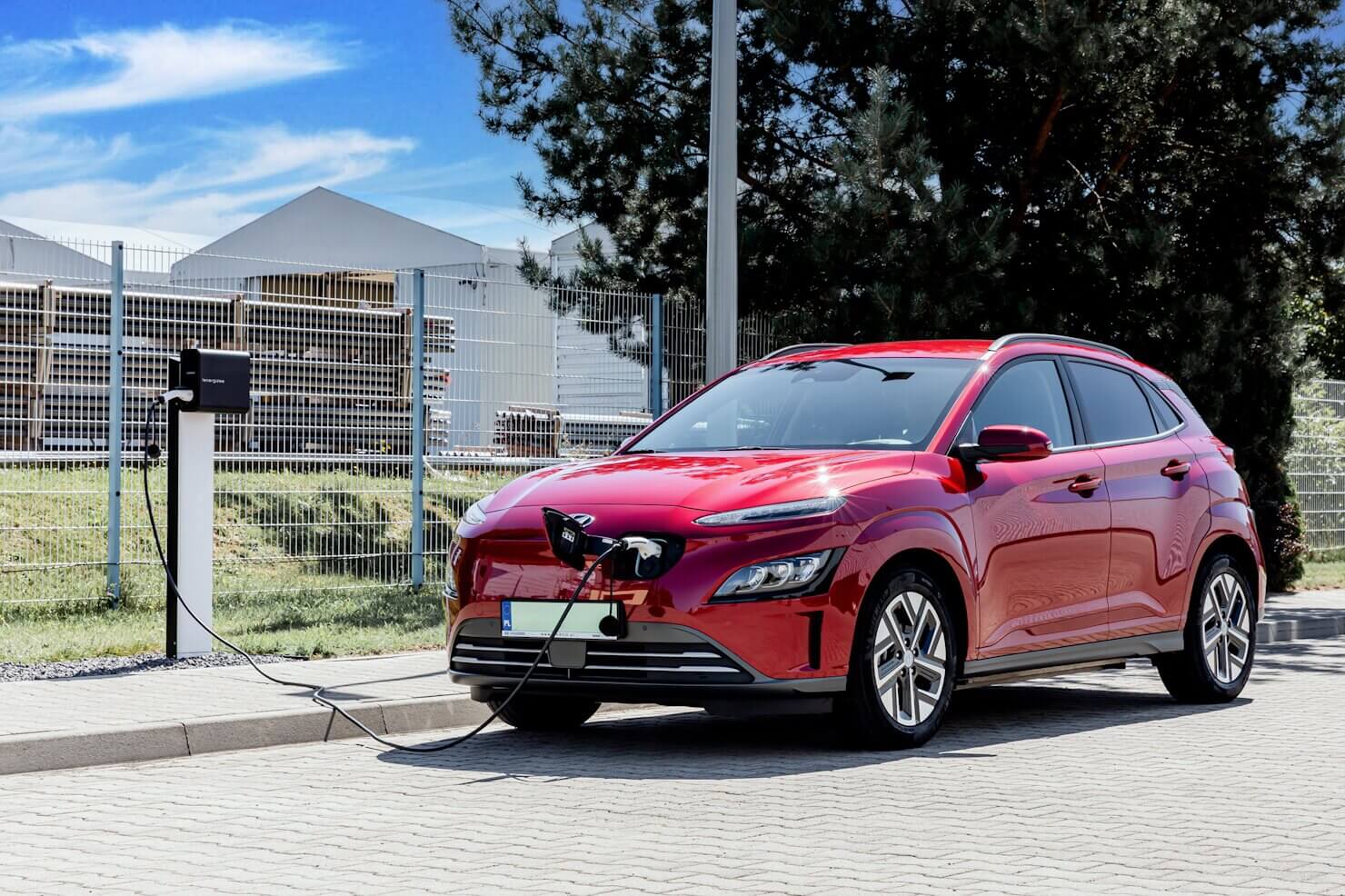
Poland’s electromobility sector continues to grow rapidly.
At the end of July 2026, more than 302,000 electric passenger cars were already on Polish roads. These included over 145,000 fully electric vehicles (BEVs) and more than 157,000 plug-in hybrid vehicles (PHEVs).
The growing number of electric vehicles is driving increasing demand for convenient and accessible charging solutions. As a result, charging infrastructure is expanding in parallel.
By the end of July 2026, Poland had more than 13,400 publicly accessible charging points, and for the first time in history, fast DC chargers accounted for more than half of the country’s public charging infrastructure.
For drivers, this means shorter charging times during journeys and easier use of electric vehicles not only in urban areas but also on longer intercity routes.
The expansion of the fast-charging network is one of the key factors improving the overall convenience of electric vehicle ownership.
The highest concentration of charging points is still found in Poland’s largest cities, including Warsaw, Gdańsk, Poznań, Kraków, and Wrocław. At the same time, charging network operators are increasingly expanding infrastructure along expressways, motorways, and in smaller towns, helping to reduce so-called “range anxiety” and making electric vehicle travel more convenient throughout the country.
The current pace of development demonstrates that electric vehicles are becoming an increasingly common part of Poland’s transport landscape. For users, not only vehicle performance but also access to reliable charging infrastructure is now a crucial consideration. Continued expansion of the charging network, particularly fast DC charging stations, will be one of the most important factors supporting the next stage of electromobility growth in Poland.
FAQ – frequently asked questions about electromobility and electric vehicle charging
Are there enough charging stations in Poland?
The number of public charging points continues to grow and has already exceeded 13,400. Although infrastructure is developing rapidly, the highest concentration of charging stations is still located in major cities and along key transport corridors.
Can you travel comfortably across Poland in an electric vehicle?
Yes. Thanks to the growing number of fast DC chargers, travelling by electric vehicle is becoming increasingly convenient. The charging network is regularly expanded along motorways and expressways, improving the comfort of long-distance journeys.
What are the most common types of EV chargers?
The most widely used chargers are AC chargers, typically used for charging over several hours, and fast DC chargers, which significantly reduce charging times during travel.
Why is the number of fast DC chargers increasing?
Drivers expect shorter stops while travelling. Fast DC charging stations can replenish battery capacity much more quickly than standard AC chargers, which is why their share of Poland’s charging infrastructure continues to grow.
Does home charging still make sense for EV owners?
Yes. For most users, home charging remains the most convenient and cost-effective way to recharge an electric vehicle on a daily basis. Public charging infrastructure primarily serves as a supplement during longer trips or for drivers who cannot install a private charger.
How is electromobility expected to develop in Poland?
All indicators point to further growth in both the number of electric vehicles and the charging infrastructure that supports them. Key drivers will include investments in fast DC charging stations, charging solutions for businesses and residential communities, and upgrades to the power grid to accommodate the increasing number of electric vehicles.


