


In a previous article, we shared tips on purchasing electric vehicles. Today we will focus on a key issue that poses a challenge to many people interested in operating zero-emission vehicles - charging. Please read our guide to learn how to make charging your electric car comfortable and hassle-free.
Electric cars make our lives easier by eliminating the need to monitor brake fluid levels or change engine oil. Why? Because zero emission vehicles have completely different components, which eliminates the need to use substances that are harmful to the environment and health. Traditional cars that emit harmful substances while driving contribute to the increase in the level of PM dust in the atmosphere, which in turn is related to the development of lung cancer cases in recent decades. By choosing an electric car, you are investing in your health now.
The process of charging electric vehicles is also easy and convenient. It's a simple process that doesn't require your presence at the vehicle, but it becomes crucial in planning your trip. Although gas stations are widely available, charging stations for electric cars are now located much further apart. Therefore, when your electric vehicle needs a recharge and a charging station is unavailable, it may cause some logistical challenges.
How long does it take to charge an electric vehicle (EV)?
There are still many false beliefs about electric cars among drivers, including the long charging time and high costs associated with it. Nevertheless, nothing could be further from the truth! A zero-emission car can be charged in just a few minutes, but this depends on the battery parameters and the power available at the charging station. There is a growing number of charging stations on the market, offering increasingly better parameters and promises of fast vehicle charging. How does it look in practice?
There are differences in the power of chargers for electric vehicles, which affects the charging time, which can be as little as a dozen or so minutes or even over 30 hours, depending on this parameter. DC charging stations guarantee faster delivery of more power, thus shortening the entire process. Super-fast chargers are already appearing, delivering up to 350 kW, which allows you to quickly charge the vehicle. It certainly sparks the imagination. Just think about an ecological means of transport that can be charged in just a few moments.
In Poland, zero-emission vehicles can be charged at publicly available stations, the number of which, according to the Electromobility Counter data published by PZPM and PSPA at the end of March 2023, amounted to a total of 2,699. Of these, 1,884 are alternating current (AC) chargers and 815 are direct current ( DC), which proves the growing availability of charging infrastructure.
How to use an electric car charger?
Batteries used in automotive vehicles are powered by direct current (DC). The number of charging stations that draw energy from renewable energy sources (RES) is increasing, which makes using a vehicle ecological and, which is equally important nowadays, profitable, especially if you have photovoltaic panels on your home. It is possible to use solar energy to charge an electric car, which not only has a positive impact on the environment, but also reduces operating costs.
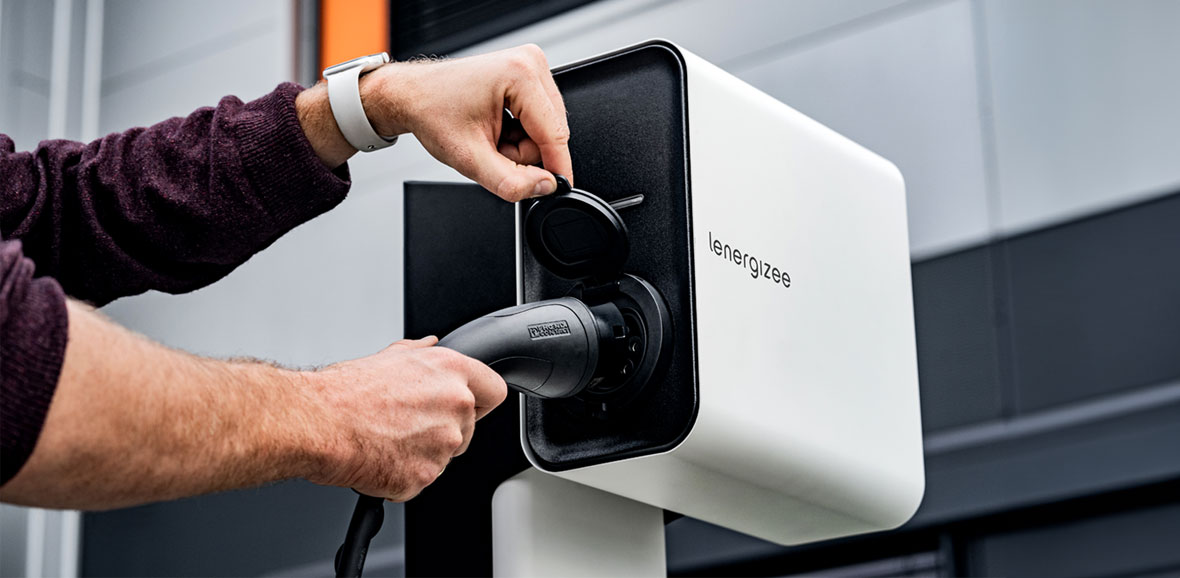
Operating the charging station is easy and intuitive. Just drive your vehicle and connect it to the device. Simple stations only allow you to regulate the charging power. However, advanced "smart" models offer additional functions, such as the ability to set a charging plan at specific hours, monitor energy consumption or adjust charging power. It is worth remembering that the charging speed and power also depend on the rectifier used in the car, i.e. the so-called internal charger. Before purchasing a charger, it is worth familiarizing yourself with the specifications of the selected vehicle model.
Car chargers – public or individual?
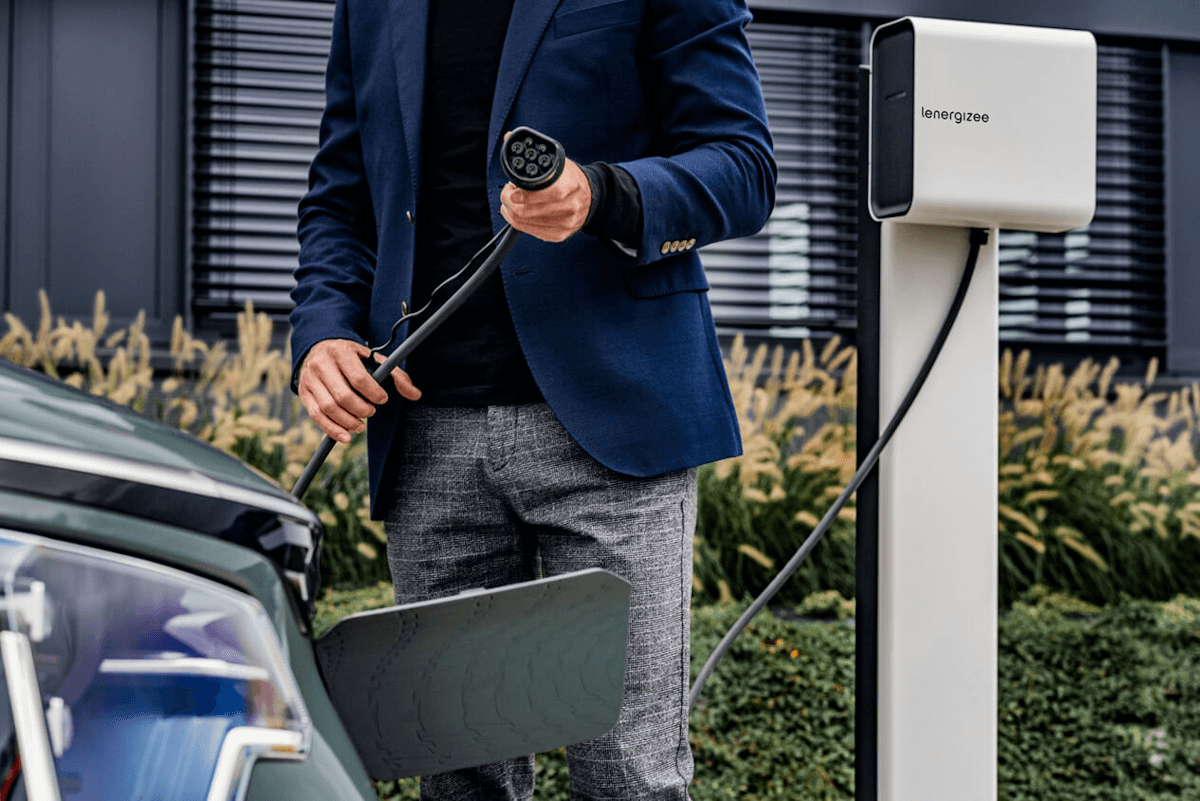
Another positive news, especially for those who prefer their own conveniences - there is no need to organize marathons across the city to charge your electric car. You can invest in your own charging station, which you can install on your private property. Manufacturers have no shortage of various products with increasingly better parameters and aesthetic design. Having your own charging station is a significant convenience that is worth considering. This allows you to charge or top up your vehicle any time you are at home, without having to worry about getting to the first available city charging station.
The most popular choice for people who want to have their own chargers on their property are 11 kW alternating current (AC) charger models. This is mainly because this type of chargers are most often used inside vehicles, and their power indicates the maximum AC power we can charge our electric vehicle with. However, in modern models, especially in higher-class cars, on-board chargers capable of charging with a power of 22 kW are starting to dominate. Portable power supplies, known as "bricks," are also used for charging and are often included with the vehicle at the time of purchase. Unfortunately, such "free" power supplies usually have a power of 2.3 kW or sometimes 3.7 kW. As a result, the charging process may take even more than 24 hours. More and more electric vehicle users are choosing wallboxes (mounted on the wall of a building or in a garage), which significantly shorten the battery charging time. This sounds extremely attractive, right?
City chargers, on the other hand, are a different issue. There are so-called charging stations slow (up to 11 kW) or medium-fast (up to 22 kW) powered by alternating current (AC), which sometimes offer free and unlimited access to electricity. However, when using this type of station, it is worth composing activities for the next few hours. Most charging stations are paid. However, by using paid stations you have a better chance of avoiding the long wait to get to the optimal 80% as they are usually much faster. Also remember that batteries are not very friendly to discharging below 20%!
The payment process at a pay station is simple. Over time, when the payment system is standardized, it will become even easier. Currently, charging from different operators requires the use of several applications. Payments can be made both by payment card, if the station accepts cards, and by mobile application or RFID (Radio Frequency IDentifiCation) card.
The rate for 1 kWh varies depending on the charging station operator and the power offered by a specific charger (the faster the charger, the higher the rate for 1 kWh of consumed electricity). Sometimes fees are also charged depending on charging time or space occupied at the charger.


