


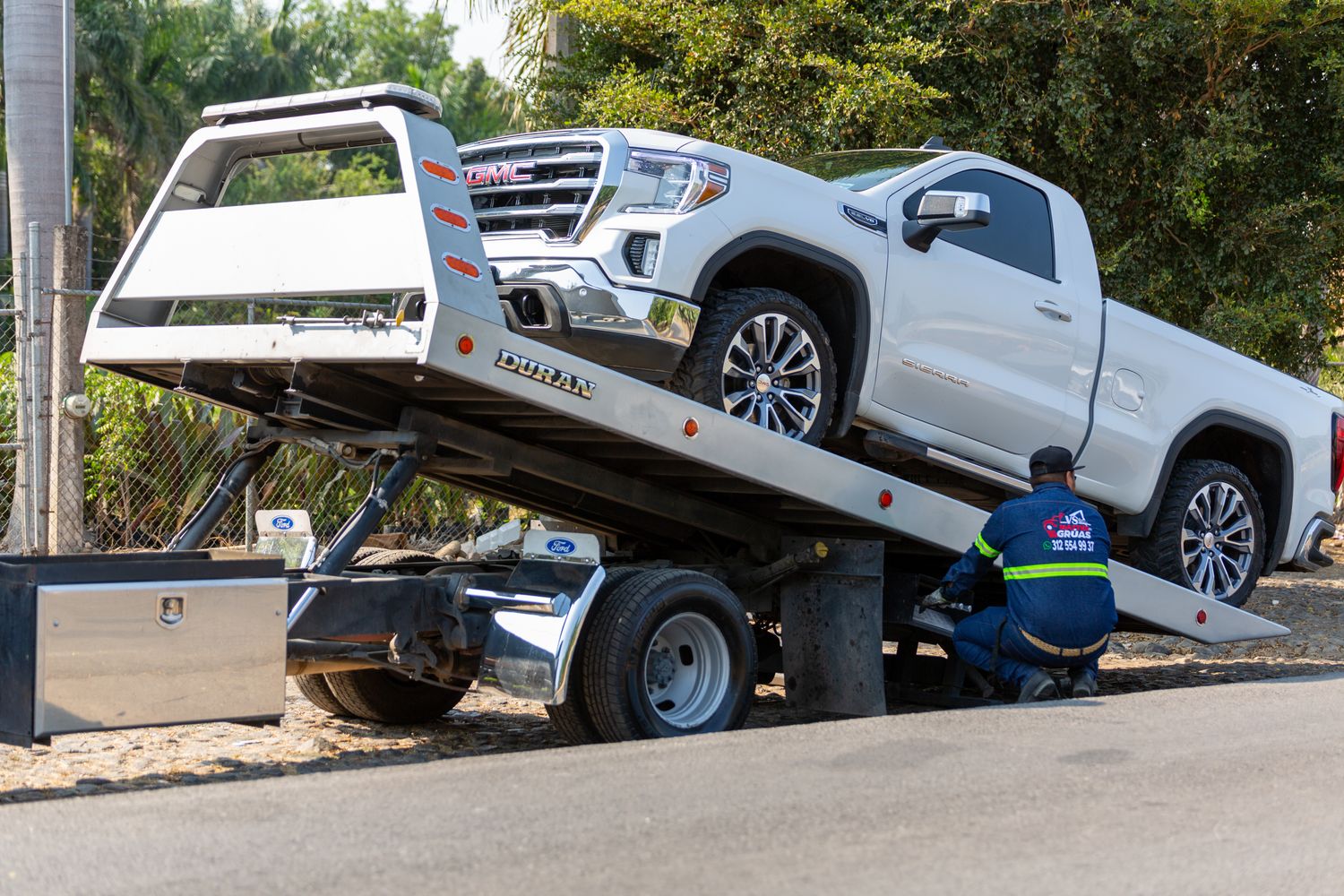
Electric vehicles differ from internal combustion engine vehicles not only in the way they are powered, but also in their operating requirements. These differences become particularly important in emergency situations when a vehicle is immobilized on the road and needs to be transported. Failure to follow the manufacturer's recommendations may lead to serious damage, making it essential to understand the basic procedures. In this article, we explain which transport methods are permitted, what limitations should be considered and how to safely handle an electric vehicle breakdown.
Can an electric vehicle be towed?
The possibility of towing an electric vehicle depends primarily on its design and the manufacturer's recommendations. In most models, traditional rope towing, where the drive wheels remain in contact with the road surface, is not permitted. This restriction is related to the specific characteristics of the electric drivetrain. As a result, the recommended solution is usually to transport the vehicle on a flatbed truck with all wheels lifted off the ground. Some models allow specific exceptions, so the owner's manual should always be consulted before any towing attempt is made.
Why is towing an electric vehicle usually prohibited?
The main reason for towing restrictions is the design of the electric drivetrain. When a vehicle is pulled with its wheels in contact with the road, the rotating wheels remain connected to the electric motor through the transmission system, causing the motor to rotate as well. As a result, the motor may act as a generator and produce electrical energy.
Uncontrolled electricity generation can create a risk of overheating and may damage drivetrain components or high-voltage electronics. In extreme cases, it can even increase the risk of fire. Additional restrictions apply to vehicles equipped with dual-motor powertrains, where each motor drives a separate axle. In such cases, allowing the vehicle to roll on the road may pose a risk to both drive systems.
What are the rules for towing electric vehicles?
Towing restrictions for electric vehicles depend primarily on the design of the specific model and the recommendations provided by its manufacturer. The procedure for preparing the vehicle for transport, including unlocking the steering system and selecting the appropriate transmission mode, varies depending on vehicle design and manufacturer instructions. In some vehicles, engaging Neutral (N) mode may be necessary when loading the car onto a flatbed truck. However, the procedure described in the owner's manual should always be followed.
In certain situations, the use of wheel dollies may also be required. If the manufacturer permits towing, all specified speed and distance limits must be strictly observed. There is no universal rule regarding the maximum towing distance or speed applicable to all electric vehicles.
Regenerative braking functions should also be avoided during transport, and special attention should be paid to any fault warnings or signs of drivetrain overheating. Even if a manufacturer allows limited towing, using a flatbed recovery vehicle or a specialist towing service is generally the safer option.
It is also worth remembering that proper electric vehicle ownership involves using suitable charging infrastructure. As a manufacturer of electric vehicle charging solutions, we offer products designed to support everyday electromobility. We design and manufacture in Poland a range of AC charging stations and AC wallbox chargers available in various configurations to meet different charging needs.


