


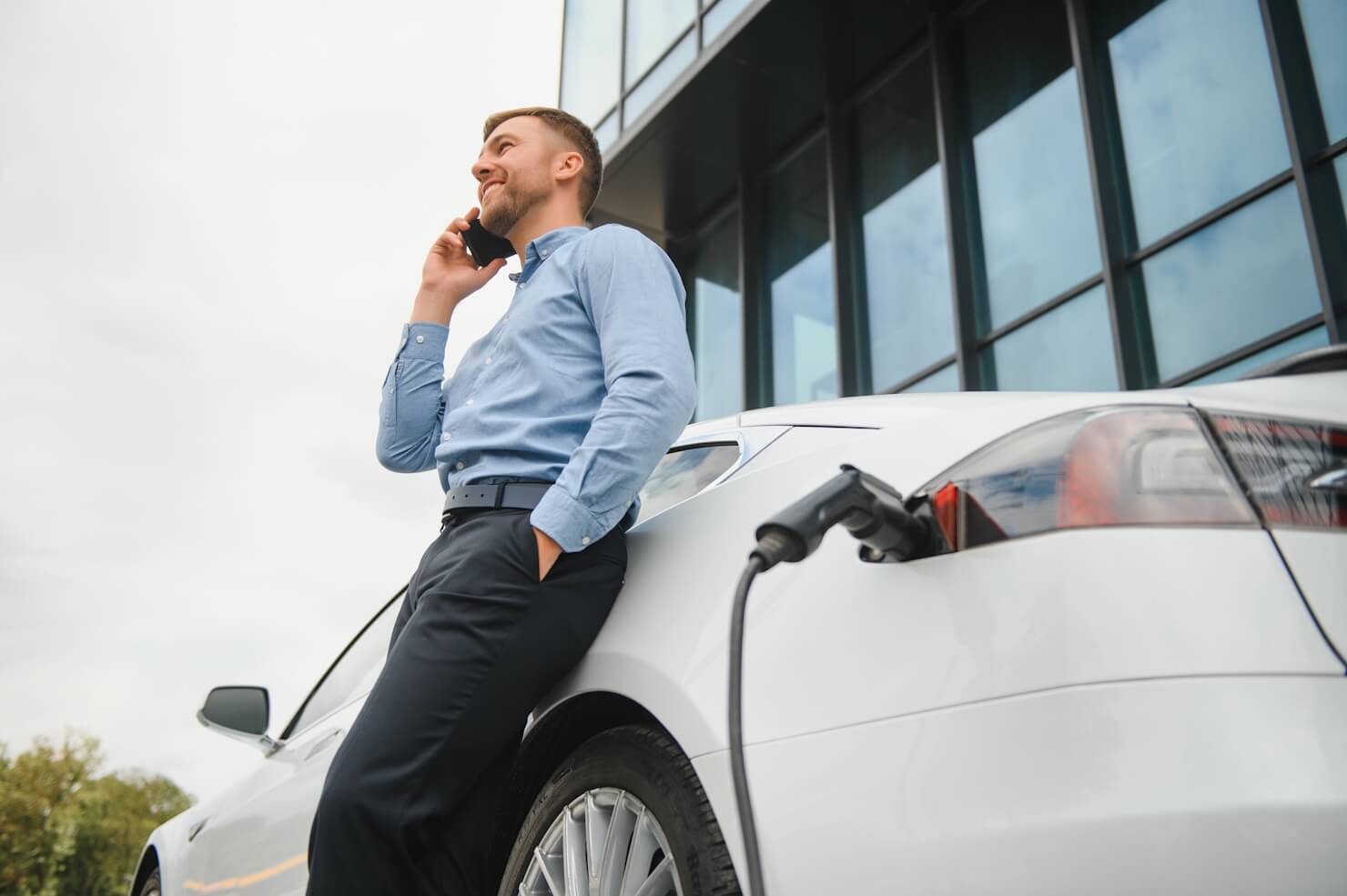
Differences in range between different models of electric cars result from various factors, such as:
* and vehicle aerodynamics.
Here are the aspects that can determine the differences in the range of individual electric car models.
Battery capacity
Battery capacity is one of the main factors influencing the range of a vehicle. Electric car models can have different battery capacities, which can also translate into differences in range - those with larger battery capacity can usually go further on a single charge.
Engine efficiency
The efficiency of an electric motor means the amount of energy used to travel one kilometer. This parameter affects the vehicle's range - electric car models with more efficient engines may have a longer range than those with less efficient ones.
Vehicle aerodynamics
Vehicle aerodynamics have a large impact on energy consumption while driving. Its optimization reduces air resistance, which can contribute to increased energy efficiency and vehicle range. Electric cars with better aerodynamics can use less energy at higher speeds, which translates into a longer range. Typically, models with better aerodynamics have a longer range on a single charge.
Vehicle weight
Vehicle weight also affects energy consumption while driving. Electric car models with lower mass can usually have a longer range. Heavier cars can use more energy and have a shorter range than lighter cars.
Energy-saving technologies
Some electric car models are equipped with technologies designed to save energy. These include systems for recovering energy during braking or economical driving modes. Their use can help increase the vehicle's range on a single charge.
The range of individual electric car models can vary significantly. Electric cars are available on the market in ranges from 200 to over 500 kilometers on a single charge. This gives a wide range of choices. Tailored to your needs and preferences. When choosing an electric car, it is worth paying attention to the actual range in relation to our style of using the car.
FAQ
-
What factors affect the range of an electric car?
The range of an electric car depends on many factors, such as battery capacity, electric motor efficiency, vehicle aerodynamics, vehicle weight, and energy-saving technologies.
-
Why is battery capacity important for vehicle range?
Battery capacity determines how much energy a car can store. A larger battery capacity usually means that it can travel a greater distance on a single charge.
-
How does engine efficiency affect the range of an electric car?
Engine efficiency measures how much energy is used to travel one kilometer. Higher engine efficiency allows you to travel further with the same battery charge.
-
How do vehicle aerodynamics affect range?
Better aerodynamics reduce air resistance, which reduces energy consumption at higher speeds. Cars with better aerodynamics can travel further on a single charge.
-
Does vehicle weight affect electric car range?
Yes, vehicle weight has a significant impact on energy consumption. Lighter electric cars use less energy, which usually translates into longer ranges than heavier models.
-
What energy-saving technologies can increase a vehicle's range?
Technologies such as regenerative braking systems and eco-driving modes can help increase the energy efficiency and range of an electric car on a single charge.
-
How to choose the right electric car for range?
When choosing an electric car, it's important to consider the vehicle's actual range and match it to your driving style, including daily routes and charging options.


