


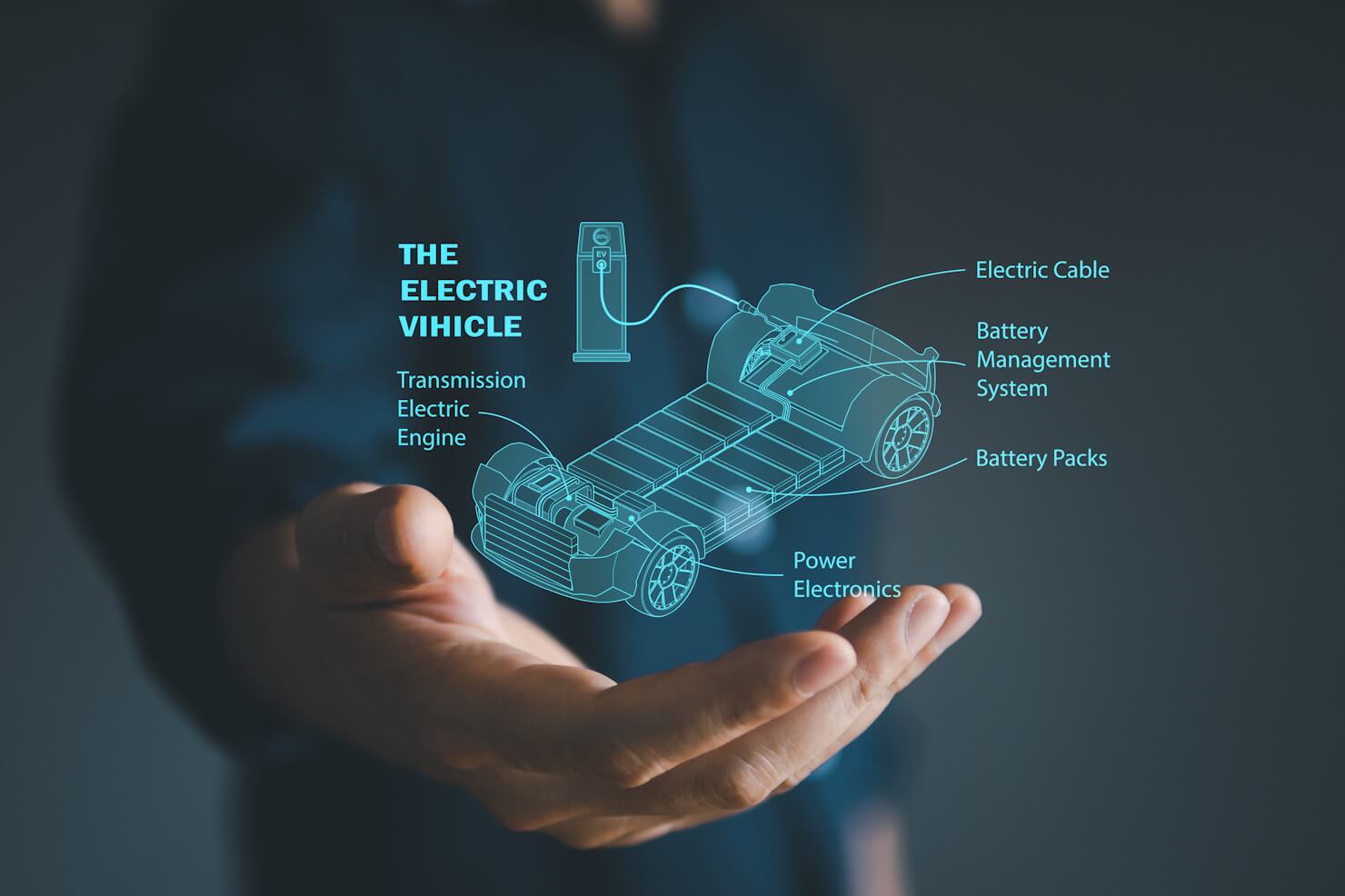
The life of batteries in electric vehicles depends on many factors.
This is influenced by, among others:
- battery type,
- charging method,
- device maintenance
- and operating conditions.
Here is some key information that helps predict the life of batteries in electric vehicles.
Battery type
There are different types of batteries used in electric vehicles. These include lithium-ion batteries, nickel-metal-hybrid (NiMH) batteries, and lithium-iron-phosphate (LiFePO4) batteries. Each of these types has different properties and is characterized by different durability. Due to their high energy consumption and relatively long life compared to other batteries, lithium-ion batteries are now widely used.
Operating conditions
Atmospheric conditions, such as temperature and humidity, have a significant impact on battery life. Extreme temperatures can accelerate battery life, while moderate conditions can extend battery life.
Charge/discharge cycles
Each battery has a limited number of charge/discharge cycles. After this number is exceeded, it begins to lose its capacity. The number of cycles depends on the manufacturer's specifications and the operating conditions. Lithium-ion batteries typically have the capacity to go through several thousand charge/discharge cycles before any noticeable loss of capacity.
Charging Method
Charging method consists of concepts such as voltage, current, and charging frequency. These can affect the life of the battery. Charging at too high a voltage or current can accelerate battery deterioration or destruction.
Maintenance
Avoiding extreme temperatures, maintaining your battery regularly, following your manufacturer's charging recommendations, and storing your vehicle properly can help keep your battery performing well for longer.
Predicting the exact lifespan of an electric vehicle battery is difficult because it depends on many factors.
However, manufacturers typically provide a warranty on their batteries that covers a specific number of years or miles, which can give you some idea of how long the battery will last. In addition, technological advances may lead to continued improvements in battery life in the future.
FAQ
What are the most common types of batteries used in electric vehicles?
The most common types of batteries used in electric vehicles are lithium-ion, nickel-metal-hybrid (NiMH), and lithium-iron-phosphate (LiFePO4). Lithium-ion batteries are the most popular due to their high energy consumption and long life.
How do weather conditions affect battery life?
Extreme temperatures can accelerate battery degradation. Temperatures that are too high or too low affect the chemical reactions in the battery, which can lead to faster degradation. Optimal operating conditions are moderate temperature and humidity.
What are charge/discharge cycles and why are they important?
Charge/discharge cycles are the number of full charges and discharges a battery can endure before its capacity begins to decrease significantly. Each type of battery has a certain number of cycles after which its performance begins to decline. Lithium-ion batteries typically last several thousand cycles.
How does charging method affect battery life?
Charging at too high a voltage or current can accelerate battery degradation. Fully charging too often can also negatively affect battery life. It is important to follow the manufacturer's charging recommendations.
What maintenance can extend battery life?
To extend battery life, avoid extreme temperatures, maintain your vehicle regularly, follow the manufacturer's charging recommendations, and store your vehicle properly. Proper maintenance and use can significantly extend battery life.


