


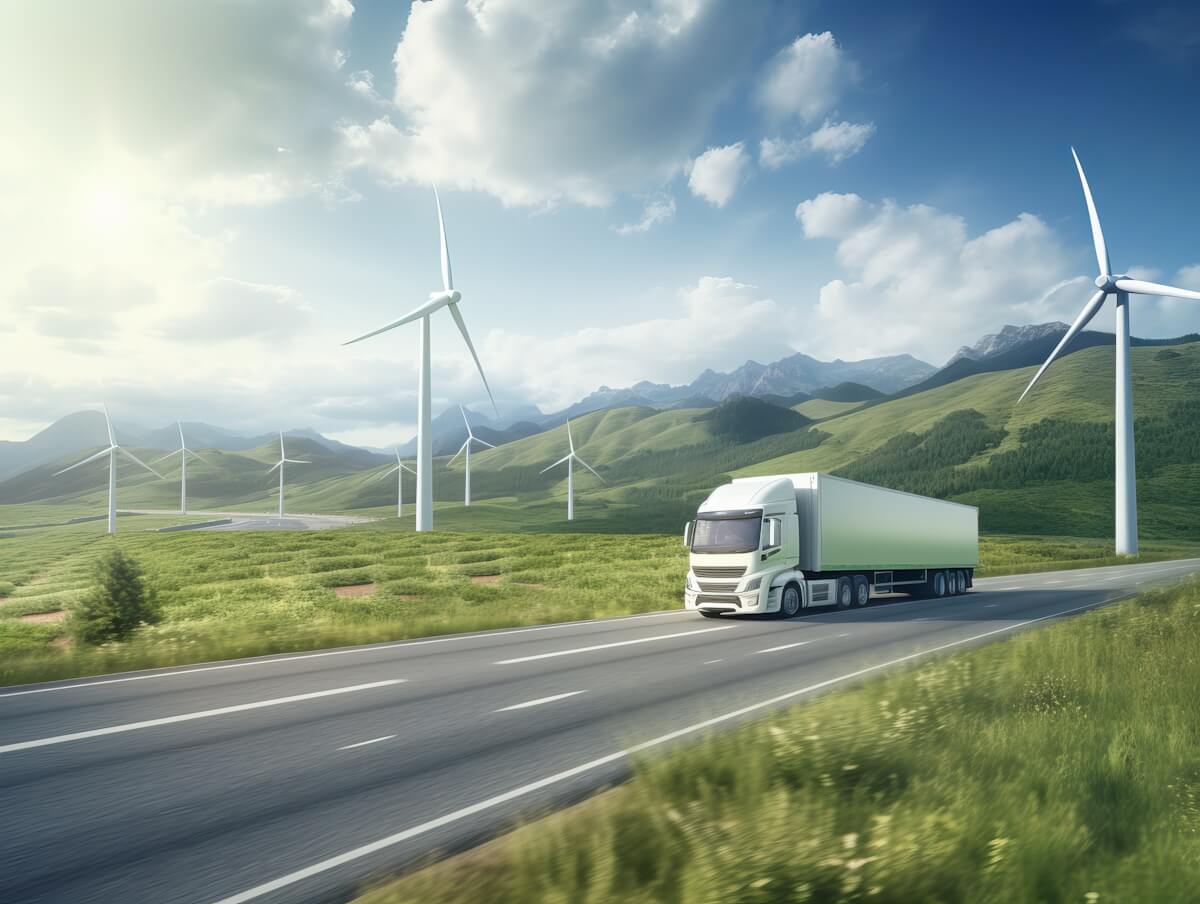
With increasing pressure to reduce greenhouse gas emissions and air pollution, truck manufacturers are working intensively on new technologies.
Companies such as Scania, Tesla and Volvo are leading the race, presenting increasingly modern models of electric trucks. They promise not only a significant reduction in emissions of harmful substances, but also maintaining a long range, which may be a key step towards an ecological revolution in road transport.
The specter of a revolution in the transport industry is becoming more and more tangible. Automotive brands are engaging in the race for domination in the electric vehicle segment, realizing the potential benefits, both for themselves and the environment.
Competition is fierce as the title of EV champion can bring prestige and distinction as a leader in the pursuit of a sustainable future.
Meanwhile, society benefits from a decline in emissions of harmful substances, which translates into improved public health and quality of life.
Difficulties on the horizon: Fighting against the challenges
Alarming reports reveal the disturbing scale of the problem: trucks in Europe are responsible for as much as 26% of greenhouse gas emissions, even though they constitute only 2% of all vehicles. The situation is no better in the United States, where trucks rank second in environmental pollution. Collectively, they emit more than 561 million metric tons of carbon dioxide equivalent (CO₂e), which poses a serious threat to public health.
This disturbing trend is growing year by year, and the dynamic development of e-commerce is only deepening it. The outlook for trucking turnover is not optimistic, but the growing number of electric truck models brings hope for change. The first of them are already available on the market, which gives hope for reducing pressure on the environment and improving air quality.
Electrification race: Tesla, Scania and Volvo in the lead
Leading truck brands are entering the arms race, heralding the coming revolution in heavy transport. China is already leading the pack - in 2022, as many as 54,000 new electric buses and approximately 52,000 medium and heavy electric trucks were sold there, representing 80% and 85% of global sales, respectively. This is an impressive achievement. However, three brands are slowly emerging on the horizon and seem ready to take the lead.
Scania stands out with its 45R BEV truck, capable of covering up to 350 km on a single charge (4×2 version with 6 batteries).
Tesla, in turn, is preparing its Semi, which has already been ordered by such American giants as Walmart, J.B. Hunt or Meijer, promising them a range of 800 km.
You can't miss the Volvo Truck FL and FE, equipped with a two-speed gearbox. FL Electric (16.7 tons) has an electric motor with a power of nearly 270 HP, while FE (up to 27 tons) has two such units.
The future of charging: The promises of electrification
According to analyzes by the European Leasing Fund, by 2035 almost 100% of electric trucks are expected to be cheaper to operate than vehicles with a diesel engine. The expected increase in the range of these vehicles adds further optimism to this promise.
Forecasts also indicate that by 2050, road transport will remain a key element of the entire logistics industry.
Hydrogen is expected to play a dominant role in the future. According to Interact Analysis, by 2030 trucks will become the most important transport sector based on this technology. China, as a leader in this field, is working intensively to gain a competitive advantage.
Interestingly, forecasts show that by 2030 there will be 45,000 hydrogen-powered trucks operating across Europe, which is a promising step towards sustainable transport.
FAQ:
When will there be a breakthrough in transport from combustion cars to electric cars?
- The electrification of road transport faces challenges such as charging infrastructure, procurement costs and the development of battery technology. However, growing ecological awareness and technological progress are driving this process.
Can hydrogen be a key technology in the future of heavy transport?
- The transportation breakthrough is already happening, and electric trucks are becoming more common. Manufacturers such as Tesla, Scania and Volvo are accelerating the development of electrification, helping to reduce emissions and improve air quality.
What are the challenges facing the electrification of road transport?
- Electric trucks promise to significantly reduce greenhouse gas emissions and improve air quality. They also have the potential to become a cheaper operating alternative compared to diesel vehicles.
What are the benefits of switching to electric trucks?
- Yes, hydrogen has the potential to play a key role in the future of heavy transport. The development of hydrogen technology can lead to more sustainable and ecological solutions for the transport industry.


