


Electric vehicles (EVs) are everywhere these days – from supermarket car parks to busy city streets to motorways where traditional cars can easily pass each other in the occupied vehicle lanes.
It’s a sign of our times – EVs are becoming increasingly popular because they offer more than just a ride from A to B.
But what exactly are the benefits of owning an EV and what types are available?
Let’s dive into the world of EVs and discover what makes them so special!
Why choose an EV?
Savings at every turn
With a range of subsidies, tax breaks and promotions, buying an EV can be more affordable than you might think. In addition, lower operating costs resulting from fewer mechanical parts and no need to refuel mean that you will save not only when buying, but also during everyday use.
Healthier environment
Electric vehicles do not emit exhaust fumes, which translates into cleaner air in the cities where we live and work. Less pollution means fewer health problems for all of us - and that's probably enough reason to think about an electric car, right?
Charging comfort
You no longer have to go to a gas station - you can charge your electric vehicle at home, while you sleep, at work or while shopping. What's more, charging can often be scheduled for hours when electricity is cheaper, which allows you to save additional money. It is worth investing in proven Polish chargers, e.g. convenient devices from the Lenergizee brand.
Easier service and maintenance
Fewer mechanical parts mean fewer faults and lower servicing costs. Electric vehicles require significantly less maintenance and repairs than internal combustion cars, which means more time on the road and less time in the garage.
Types of electric vehicles – which one to choose?
There are three main types of electric vehicles on the market, which differ in how they operate and their driving range. Choosing the right one for you depends on your needs and lifestyle.
Battery-powered vehicles (BEVs)
This is the most ecological choice of electric vehicles available. BEVs, or battery-powered vehicles, do not use petrol – they are powered only by electricity. Thanks to their large batteries, they can travel over 500 kilometres on a single charge, and their range is growing with the development of battery technology. BEVs are also unique in that they can use fast chargers, which provide enough energy to travel over 150 kilometers in 30 minutes.
Plug-in hybrids (PHEVs)
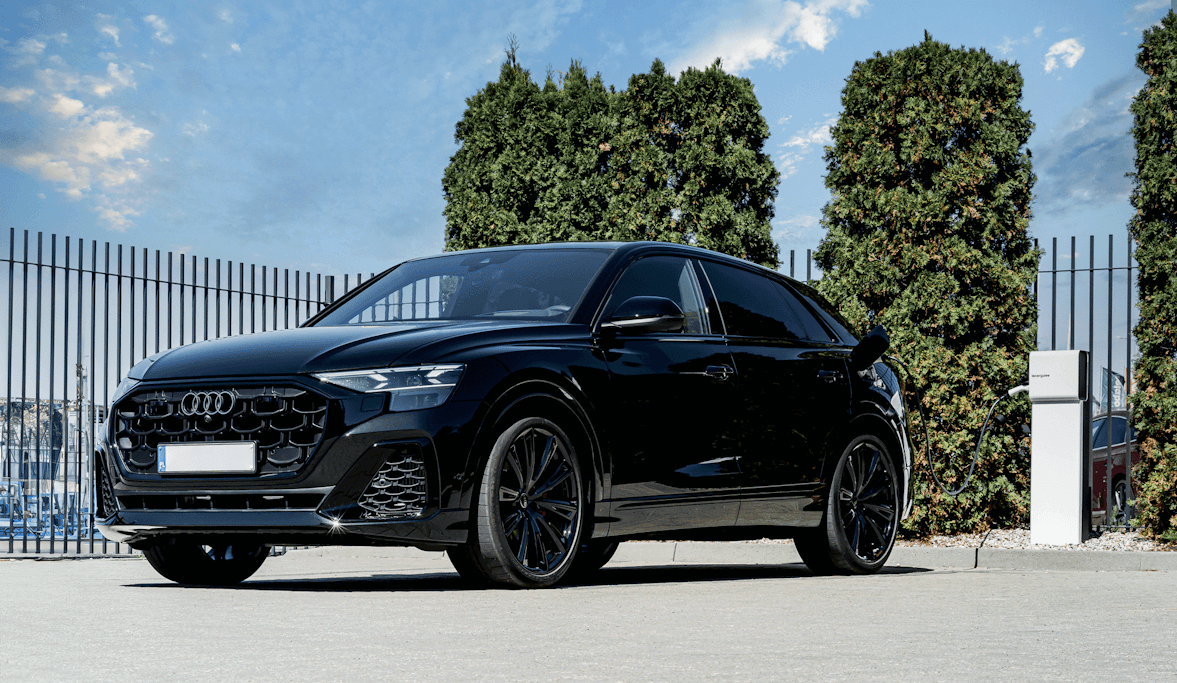
If you need more flexibility, plug-in hybrids can be the perfect solution. They combine the advantages of electric and combustion engines - for short distances (20-90 km) they run solely on electric power, and when the battery runs out, they automatically switch to the combustion engine. This is a great solution for people who often drive around the city but occasionally need to go on longer trips.
Fuel cell electric vehicles (FCEV)
These are modern vehicles that use fuel cells instead of batteries to generate electricity. They use hydrogen, which, when reacted with oxygen from the air, generates energy that drives the vehicle. FCEVs offer a long range - from 480 to 640 kilometers on a single refueling - which takes only about five minutes. With the increasing number of hydrogen refueling stations, FCEVs are becoming more and more accessible.
The electric future is within reach
Electric cars are more than just fashion - they are the future of motoring, offering benefits not only for the environment but also for our wallets. Whether you choose a fully electric vehicle, a plug-in hybrid or a fuel cell model, each option brings something unique. So it's worth taking a closer look at what the world of electric vehicles has to offer and finding a model that's perfectly suited to your needs.
Electric vehicles are changing the way we think about motoring - and there's no better time to be part of this change.
FAQ:
What are the main benefits of owning an electric vehicle?
The main benefits are financial savings (when buying and using), positive impact on the environment, convenience of charging, and easier operation and maintenance.
What types of electric vehicles are available?
There are three main types: battery electric vehicles (BEVs), plug-in hybrids (PHEVs), and fuel cell electric vehicles (FCEVs).
What is the typical range of an electric vehicle?
The range depends on the type of vehicle. BEVs can cover over 500 km on a single charge, PHEVs offer 20-90 km on electric power, and FCEVs have a range of 480 to 640 km.
Is charging an electric vehicle complicated?
No, charging is convenient. You can do it at home, at work or while shopping. There are also fast chargers that can provide energy for over 150 km in 30 minutes.
Are electric vehicles expensive to maintain?
No, quite the opposite. Electric vehicles have fewer mechanical parts, which translates into lower maintenance costs and fewer potential failures.


